
Ingredient file // Flavor
Dried Rosemary
A trace herb with an oversized reputation
Dried rosemary is the dried leaf of a culinary herb, added in small amounts for its aroma. One dog study found changes in blood markers, but no proven health benefit. Evidence about preserving kibble concerns concentrated extracts, not the dried leaf.
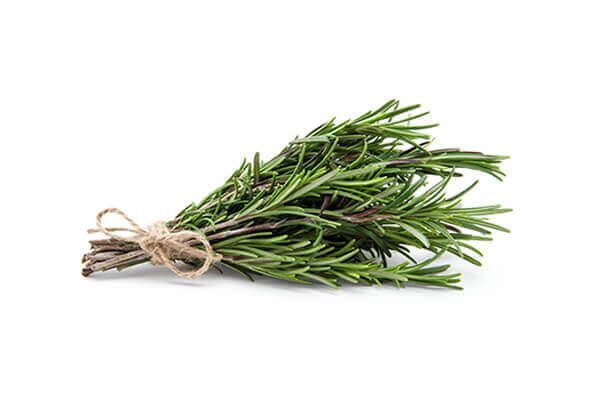
- What it is
- Rosemary leaves that have been dried and sometimes ground before being added to dog food.
- Made from
- Leaves of the rosemary plant
- Main job
- Herbal aroma
- Typical amount
- Not published; one dog trial used 0.05%
- Watch for
- Some dogs may refuse the flavor
- Not the same as
- Rosemary extract
Our read // In our catalog
In 1 of every 41 foods we track
Share of foods that list it
2%
63 of the 2,595 foods with an ingredient list on file, from 5 brands. 52 dry dog food, 9 wet dog food, 2 dog food topper.
Each square is 1% of the catalog
Where it sits on the label
Median position 32. In the top five of 0 foods, so it is usually a minor ingredient.
Above the salt
Usually listed after the salt, which caps it at roughly 1% of the recipe in 100% of foods.
Price per lb
Median of the cheapest bag price across 51 priced foods, 30% above the catalog. The price is the food's, not the ingredient's.
Who leans on it
44%
of the foods that list it are from Go! Solutions. 5 brands use it in total.
What it is
How it is made
Rosemary is grown as a culinary herb. Its leaves are separated, dried and sometimes ground so food makers can add them to a recipe. The dried leaf retains plant material that a concentrated extract does not.1,3
- 01 // Source Rosemary leaves Leaves are harvested from rosemary plants grown for use as an herb.
- 02 // Process Cleaned In the dog study, harvested leaves were washed to remove soil before drying.
- 03 // Process Dried and ground The study dried the leaves completely and ground them into a fine powder.
- 04 // Output Dried rosemary The dry leaf or powder is added to food; the dog trial applied it during kibble coating.
What is in it
Composition, dry matter
113.4
g/kg fiber
Crude fiber measured in one dried rosemary sample. At the small amount tested in dog food, rosemary contributes negligible fiber to the finished diet.
These figures describe one dried leaf sample, not a fixed specification. Growing conditions and harvest timing change leaf composition. Nitrogen-free extract includes more than starch, so it does not measure digestible starch.3
Why it is in the bag
What the manufacturer gets
-
01
Adds herbal aroma
The dried leaf brings rosemary's smell and taste to kibble. That does not mean dogs prefer it: the rosemary group in one feeding trial refused more food than controls.1
-
02
Supplies antioxidant compounds
Rosemary leaves contain compounds associated with antioxidant activity. Preservation studies chiefly assess concentrated extracts, so a dried leaf listing alone does not show that the finished kibble stays fresh longer.2,4
-
03
Uses little recipe space
A dog trial applied leaf powder at 0.05% of the food. That uses little raw material per batch, though the study did not report a commercial ingredient cost.1
How much One dog trial applied dried rosemary leaf powder at 0.05% of the diet during kibble coating and fed it for 8 weeks.1
Our read // The claims
What the evidence supports
Strong: controlled studies in dogs agree. Some: small or mixed dog data. Thin: mechanism or lab work only. None: nothing, or the evidence points the other way.
-
Brands say
Rosemary antioxidants protect a dog's health
Outruns the evidence
Evidence
- Strong
- Some
- Thin
- None
In one 8 week study of 45 young Rottweilers, the rosemary group had higher measured antioxidant activity and lower markers of oxidation. Blood markers do not show that rosemary prevents disease or improves lasting health.1
-
Brands say
Rosemary lowers a dog's blood sugar
Outruns the evidence
Evidence
- Strong
- Some
- Thin
- None
In the same trial, dogs fed 0.05% rosemary leaf powder had about 14% lower blood glucose than controls. The dogs were not diabetic, and the study did not test rosemary as a diabetes treatment.1
-
Brands say
Dried rosemary keeps kibble fats fresh
Outruns the evidence
Evidence
- Strong
- Some
- Thin
- None
The kibble preservation evidence tests extracts rather than dried leaf. In one storage study, a 200 ppm blend of rosemary extract and tocopherols did not consistently delay oxidation across fat sources. The dried leaf remains untested for that job.2,4
-
Brands say
Rosemary makes kibble taste better
Outruns the evidence
Evidence
- Strong
- Some
- Thin
- None
The leaf has an aroma, but better acceptance has no support here. In the 45 dog trial, the rosemary group refused more food than controls. One recipe cannot predict every dog's preference.1
-
Owners say
Rosemary in dog food triggers seizures
Outruns the evidence
Evidence
- Strong
- Some
- Thin
- None
ASPCA lists the rosemary plant as non-toxic to dogs, and the cited dog feeding study reports no seizure link. Risks from concentrated essential oils cannot be used as evidence that dried leaf in kibble triggers seizures.1,5,6
Straight answers
What owners ask
-
Q01
Is it just filler?
Mostly decorativeAt the amount tested in dogs, dried rosemary supplies negligible protein or fiber to the finished food. It adds an herbal scent, but its presence is no reason to expect a nutritional benefit.1,3
-
Q02
Is rosemary extract the same thing?
NoDried rosemary is the whole leaf. Rosemary extract concentrates selected compounds from that leaf and is the form assessed as a feed antioxidant. Extract findings do not show what dried leaf does in kibble.3,4
-
Q03
Should a dog with seizures avoid it?
No evidenceThere is no demonstrated link between dried rosemary in kibble and canine seizures. Keep concentrated essential oils away from your dog. If you suspect a food trigger, tell the clinician managing the seizures.5,6
Who uses it
Brands, best sellers and the company it keeps
Top brands, by foods that list it
Usually listed with, share of the foods that list it
- Peas 70%
- Canola Oil 54%
- Flaxseed 54%
- Potatoes 51%
- Dried Egg 40%
- Pea Flour 38%
- Natural Flavor 37%
- Salmon 35%
- Tapioca 32%
- Potato Flour 29%
- Oatmeal 27%
- Lentils 25%
Our read // On the bag
Read it as a minor herb
Dried rosemary near the end of an ingredient list tells you little about the food's nutrition or shelf life. Judge the named protein, fat and nutritional analysis first. Treat rosemary health and preservation promises cautiously, especially when the cited evidence concerns an extract rather than dried leaf.
Sources
What we read
Checked September 1, 2026.
- 1 Hypoglycemic efficacy of Rosmarinus officinalis and/or Ocimum basilicum leaves powder as a promising clinico-nutritional management tool for diabetes mellitus in Rottweiler dogs
- 2 Lipid source and kibble matrix determine oxidative stability and n-3 fatty acid loss in coated extruded dog food
- 3 Rosemary and Pitanga Aqueous Leaf Extracts On Beef Patties Stability under Cold Storage
- 4 Safety and efficacy of two solvent extracts of rosemary (Rosmarinus officinalis L.) when used as feed additive for cats and dogs (Kemin Nutrisurance Europe SRL)
- 5 Toxic and Non-toxic Plants: Rosemary
- 6 Toxicoses From Essential Oils in Animals