
Ingredient file // Other
Yucca Schidigera
Less fecal ammonia, little else proven
Yucca schidigera is a desert plant added to dog food as dried stem powder or extract. Small dog trials found less fecal ammonia, but results for stool smell vary. The small addition supplies little nutrition and has no proven joint benefit.
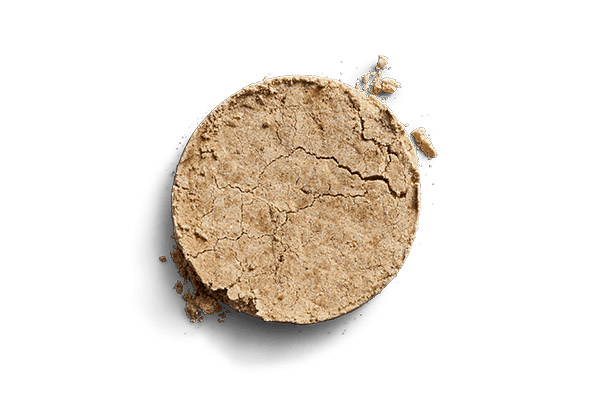
- What it is
- Dried, ground yucca stem or its pressed and dried extract, used mainly for stool odor control.
- Made from
- Stems of the Mojave yucca plant
- Main job
- Fecal odor control
- Typical amount
- Dog trials tested 125 to 750 mg/kg of food
- Watch for
- High supplemental doses changed a liver blood test
- Not the same as
- Cassava, also called yuca
Our read // In our catalog
In 1 of every 236 foods we track
Share of foods that list it
0%
11 of the 2,595 foods with an ingredient list on file, from 4 brands. 9 dry dog food, 2 wet dog food.
Each square is 1% of the catalog
Where it sits on the label
Median position 23. In the top five of 0 foods, so it is usually a minor ingredient.
Above the salt
Usually listed after the salt, which caps it at roughly 1% of the recipe in 100% of foods.
Price per lb
Median of the cheapest bag price across 2 priced foods, 32% above the catalog. The price is the food's, not the ingredient's.
Who leans on it
73%
of the foods that list it are from Abound. 4 brands use it in total.
What it is
How it is made
Suppliers process yucca stems specifically for feed odor additives. They either dry and mill the whole stem or press it, clarify the liquid and dry the extract. The pet food maker buys one of these finished products.8
- 01 // Source Yucca stems Suppliers use the trunk of the Mojave yucca plant.
- 02 // Process Shredded The stems are broken into pieces before drying or pressing.
- 03 // Process Dried or pressed Whole stem pieces are sun dried; the extract route collects liquid pressed from the pieces.
- 04 // Process Finished separately Dried stems are milled into powder, while pressed liquid is clarified and dried.
- 05 // Output Powder or extract The pet food plant receives fine stem powder or dried extract for a small addition.
What is in it
Composition, dry matter
3.1
% saponins
An HPLC measurement of one commercial powder. Another test method gave a much higher result, so the label alone cannot tell you its saponin content.
Why it is in the bag
What the manufacturer gets
-
01
Lowers fecal ammonia
Controlled dog trials measured less ammonia in feces after yucca was added. They did not show that saponins physically bind ammonia inside the dog.1,2
-
02
Targets stool smell
Lower ammonia gives manufacturers an odor control reason to add yucca. Human smell tests have given mixed results across diets, doses and commercial extracts.1,3,4
-
03
Uses little formula space
Tested doses run from 125 to 750 mg per kilogram of food. At that scale, the additive barely changes how much protein, fat or starch a recipe contains.1,3
How much Dog studies tested 125 to 750 mg of yucca product per kilogram of diet; these are trial doses, not a published industry average.1,3
Our read // The claims
What the evidence supports
Strong: controlled studies in dogs agree. Some: small or mixed dog data. Thin: mechanism or lab work only. None: nothing, or the evidence points the other way.
-
Brands say
Yucca lowers ammonia in dog feces
Evidence
- Strong
- Some
- Thin
- None
A controlled trial in 20 Beagles found lower fecal ammonia with yucca extract. A separate 18-dog trial also found less. Both measured the result; neither proved that yucca simply binds ammonia.1,2
-
Brands say
Yucca makes dog poop smell better
Outruns the evidence
Evidence
- Strong
- Some
- Thin
- None
In the 20-Beagle trial, odor improved at 500 mg/kg only on the higher protein diet. A 2010 comparison favored zeolite, while another small trial found differences between yucca products. A guaranteed odor change goes too far.1,3,4
-
Brands say
Yucca improves digestion and nutrient absorption
Outruns the evidence
Evidence
- Strong
- Some
- Thin
- None
A 16-dog, 28-day trial reported better protein and fat digestibility at 500 mg/kg. Two earlier dog studies found no improvement. The newer study included a pet food company coauthor, and the mixed results do not support a general digestion claim.1,3,5
-
Brands say
Yucca protects dogs from oxidative damage
Outruns the evidence
Evidence
- Strong
- Some
- Thin
- None
An 18-dog trial lasting 20 days found changes in blood markers of oxidation and catalase activity. A separate 16-dog trial also measured favorable markers. Neither tested whether dogs stayed healthier.2,5
-
Owners say
Yucca eases arthritis pain in dogs
Outruns the evidence
Evidence
- Strong
- Some
- Thin
- None
A 2006 review discusses old human reports and laboratory mechanisms, but presents no controlled dog arthritis trial of Yucca schidigera alone. Its lead author disclosed work as a consultant to a yucca supplier.6
Straight answers
What owners ask
-
Q01
Is it just filler?
NoThe tested amounts are too small to bulk out a recipe or supply meaningful fiber. Its intended job is odor control. When yucca sits near the end of the list, give the main ingredients more weight in your decision.1,3,7,10
-
Q02
Is yucca poisonous to dogs?
Plant, yesChewing a yucca plant commonly causes mild vomiting or diarrhea. That exposure differs from the small amounts tested in food. One dog trial found a liver blood test change at its highest dose, which warrants caution with extra supplements.1,9
-
Q03
Does it bind ammonia?
Not shownDog trials measured less ammonia in feces, but did not track saponins binding it in the gut. Binding is one proposed explanation for the result, not a mechanism those trials proved.1,2
Who uses it
Brands, best sellers and the company it keeps
Top brands, by foods that list it
Usually listed with, share of the foods that list it
- Brown Rice 73%
- Peas 73%
- Barley 73%
- Flaxseed 73%
- Oatmeal 64%
- Poultry Fat 55%
- Natural Flavor 45%
- Chicken 36%
- Whitefish Meal 36%
- Chicken Meal 36%
- Beef 18%
- Sweet Potatoes 18%
Our read // On the bag
Read past yucca and judge the food
Yucca near the end of an ingredient list is a small odor control addition. Check the main protein and fat sources and the food's nutritional analysis. Lower fecal ammonia is credible; a less smelly yard is less certain. Do not choose a food for its yucca joint or antioxidant promises.
Sources
What we read
Checked October 1, 2026.
- 1 Inclusion of Yucca schidigera extract in diets with different protein levels for dogs
- 2 Dietary supplementation of Yucca schidigera and Gleditsia amorphoides modulates gut fermentation metabolites, antioxidant status, and inflammatory markers in adult dogs
- 3 Zeólitas e Yucca schidigera em rações para cães: palatabilidade, digestibilidade e redução de odores fecais
- 4 Avaliação das características fecais de cães suplementados com diferentes fontes e níveis de extrato de yucca
- 5 丝兰提取物对成年犬营养物质表观消化率、抗氧化功能及血清炎症指标的影响
- 6 Anti-inflammatory and anti-arthritic effects of yucca schidigera: A review
- 7 Dietary Supplementation With Yucca Alleviates Heat Stress in Growing Broilers Exposed to High Ambient Temperature
- 8 Proposed amended livestock feed ingredients - Yucca-based ingredients: Closed consultation
- 9 Yucca
- 10 What's in the Ingredients List?