
Ingredient file // Animal protein
Halibut
Real fish protein, with water behind its weight
Halibut is moist fish flesh used for animal protein and flavor in dog food. It also supplies EPA and DHA, but the ingredient name tells you neither how much halibut protein nor how much of those fats the finished food contains.
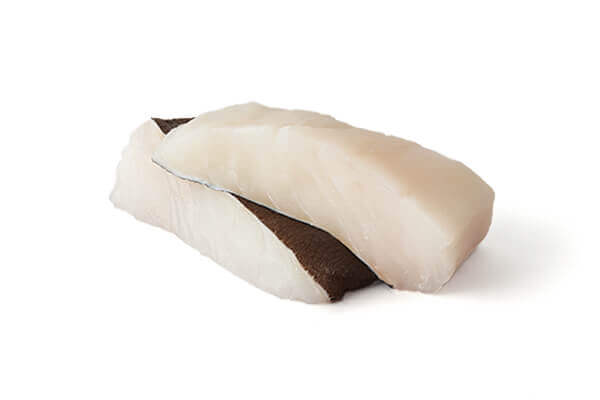
- What it is
- Halibut flesh from a large flatfish; deboned halibut has had its bones removed before use.
- Made from
- Halibut flesh, sometimes with skin
- Main job
- Animal protein and flavor
- Typical amount
- Not published
- Watch for
- Fish allergy and mercury exposure
- Not the same as
- Fish meal
Our read // In our catalog
In 1 of every 618 foods we track
Share of foods that list it
0%
4 of the 2,473 foods with an ingredient list on file, from 2 brands. 2 wet dog food, 2 dry dog food.
Each square is 1% of the catalog
Where it sits on the label
Median position 5.5. In the top five of 2 foods, so it is usually a main ingredient.
Above the salt
Almost always listed before the salt, so there is more of it than a pinch.
Who leans on it
75%
of the foods that list it are from Blue. 2 brands use it in total.
What it is
How it is made
Commercial fisheries and farms supply halibut to seafood processors, which sell dressed fish and fillets. Cutting leaves trim that may enter pet food. The label does not reveal whether a maker used trim or fillets.4,7,9,10
- 01 // Source Caught or farmed fish Pacific halibut is commercially caught, mainly with bottom longlines; Atlantic halibut is also farmed.
- 02 // Process Dressed and cut Processors sell halibut with its head and gut removed or cut it into fillets.
- 03 // Process Bones removed For deboned halibut, the fish is cut into boneless pieces; skinless fillets are sold fresh or frozen.
- 04 // Output Moist halibut flesh Fresh or frozen fish reaches the pet food plant with its natural water still present.
What is in it
Composition, dry matter
59-77
% protein
Calculated from measured wild and farmed Atlantic halibut cuts. Fresh fish also carries water, which counts toward its weight on the ingredient list.
Why it is in the bag
What the manufacturer gets
-
01
Adds animal protein
Halibut flesh supplies fish protein. Its substantial water content also raises its weight before cooking, so its place on a dry food label cannot show its final protein contribution.4,6
-
02
Gives a fish flavor
Halibut gives a recipe a named fish ingredient and its own taste. A dog trial of processed fish ingredients found no preference over the comparison food; halibut itself was not tested.1,10
-
03
Gives trim a market
Filleting leaves usable fish trim. Selling it for pet food returns value to processors, although a halibut listing does not reveal whether that recipe used trim or fillets.1,7,8,10
How much No reviewed source gives a typical halibut amount; a dog trial fed 5% fish hydrolysate, which is a different ingredient.1,6
Our read // The claims
What the evidence supports
Strong: controlled studies in dogs agree. Some: small or mixed dog data. Thin: mechanism or lab work only. None: nothing, or the evidence points the other way.
-
Brands say
Halibut adds real animal protein
Evidence
- Strong
- Some
- Thin
- None
Measured wild and farmed Atlantic halibut cuts supplied 17 and 20 g protein per 100 g raw fish. That is fish protein. The ingredient list ranks its wet weight, so it cannot show the finished food's share of halibut protein.4,6
-
Brands say
Halibut omega fats ease a dog's arthritis
Outruns the evidence
Evidence
- Strong
- Some
- Thin
- None
A randomized trial in 77 dogs found no significant difference in its main pain measures between fish oil and placebo after 16 weeks. It tested concentrated oil, not halibut flesh; a halibut listing gives no treatment dose.2,4
-
Brands say
Halibut makes a dog's coat shinier
Outruns the evidence
Evidence
- Strong
- Some
- Thin
- None
In a 12-dog crossover trial, fish hydrolysate and oil raised blood EPA and DHA but did not improve rated coat quality. Neither test ingredient was halibut, so that result cannot support a coat promise for halibut flesh.1
-
Owners say
Halibut is safe for every allergic dog
Outruns the evidence
Evidence
- Strong
- Some
- Thin
- None
A review counted fish as a trigger in 5 of 297 dogs with identified food reactions. It did not test halibut separately. A dog with a diagnosed fish allergy should not treat halibut as allergy-safe.3
-
Owners say
Halibut contains no mercury
Outruns the evidence
Evidence
- Strong
- Some
- Thin
- None
FDA monitoring found an average of 0.241 ppm mercury in 101 halibut samples. Those samples do not measure a finished dog food, but they rule out a zero-mercury claim.5
Straight answers
What owners ask
-
Q01
Is it just filler?
NoHalibut supplies animal protein and fish flavor. On a dry food label, its fresh weight includes water that leaves during cooking, so a high position alone does not tell you how much fish protein remains.4,6
-
Q02
Is halibut fish meal?
NoHalibut is listed as moist fish. Meal is cooked, dried and ground before it reaches the pet food plant. Equal listed weights therefore represent different amounts of dry fish material.4,6
-
Q03
Does it replace fish oil?
NoHalibut flesh contains EPA and DHA, but the ingredient list gives neither its amount nor the fatty acid content of the finished food. For an omega fat claim, look for a stated EPA and DHA amount.4,6
Who uses it
Brands, best sellers and the company it keeps
Top brands, by foods that list it
Usually listed with, share of the foods that list it
- Chicken 50%
- Chicken Broth 50%
- Salmon 50%
- Pea Flour 50%
- Chicken Fat 50%
- Tapioca Starch 50%
- Dried Egg Product 50%
- Dried Tomato Pomace 50%
- Fish Broth 25%
- Chicken Liver 25%
- Turkey 25%
- Venison 25%
On the shelf
Foods that list it
4 foods in our reviews list it. Here are some of them.
Our read // On the bag
Count the fish, then check the fat
Halibut high on the list tells you moist fish entered the recipe. Check the other protein ingredients, since water adds to halibut's weight before cooking. If the bag sells an omega benefit, look for a stated EPA and DHA amount in the finished food. Avoid it for a dog with a diagnosed fish allergy.
On labels as
Other names for this
Manufacturers do not all use the same wording. These all mean the same thing.
Sources
What we read
Checked October 1, 2026.
- 1 Protein hydrolysate and oil from fish waste reveal potential as dog food ingredients
- 2 An un-commissioned randomized, placebo-controlled double-blind study to test the effect of deep sea fish oil as a pain reliever for dogs suffering from canine OA
- 3 Critically appraised topic on adverse food reactions of companion animals (2): common food allergen sources in dogs and cats
- 4 Nutritional Composition of Selected Wild and Farmed Raw Fish
- 5 Mercury Levels in Commercial Fish and Shellfish (1990-2012)
- 6 What’s in the Ingredients List?
- 7 Byproducts
- 8 Frequently Asked Questions
- 9 Pacific Halibut
- 10 Halibut