
Ingredient file // Fat or oil
Almonds
An oily kernel with limited dog evidence
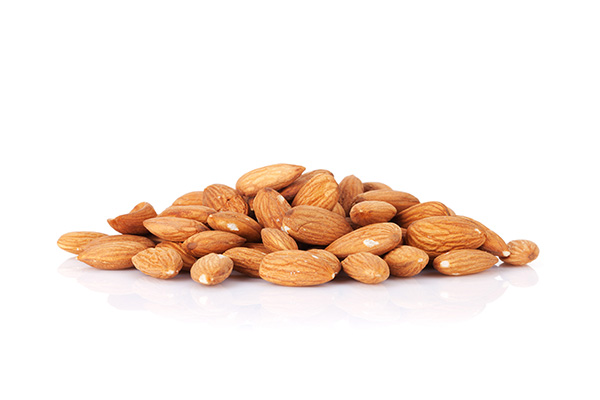
Almonds are edible kernels separated from the fruit's hull and shell. In kibble they contribute fat and some plant protein. Sweet almonds are not toxic, but claims that they protect a dog's health go beyond the evidence for this ingredient.
- What it is
- The edible seed kernels of almond fruit, removed from the fibrous hull and hard shell.
- Made from
- Shelled sweet almond kernels
- Main job
- Fat and plant protein
- Typical amount
- Not published
- Watch for
- Large servings can upset the stomach
- Not the same as
- Almond hulls or oil meal
Our read // In our catalog
In 1 of every 281 foods we track
Share of foods that list it
0%
9 of the 2,533 foods with an ingredient list on file, from 1 brand. All dry dog food.
Each square is 1% of the catalog
Where it sits on the label
Median position 13. In the top five of 0 foods, so it is usually a minor ingredient.
Price per lb
Median of the cheapest bag price across 9 priced foods, 17% above the catalog. The price is the food's, not the ingredient's.
Who leans on it
100%
of the foods that list it are from Nature's Logic. 1 brand use it in total.
What it is
How it is made
Growers harvest almond fruit for its edible kernel. Processors remove the outer hull and hard shell, then sort the kernels. The hulls are a separate feed material; oil extraction produces a separate almond meal.3,7
- 01 // Source Almond fruit A fibrous outer hull covers the hard shell that holds the edible kernel.
- 02 // Process Hull removed Dried fruit passes through rollers that loosen the hull before the almonds are screened.
- 03 // Process Shell cracked Processors crack the hard shell and separate kernels from shell pieces on vibrating screens.
- 04 // Output Sorted kernels Kernels are graded and packaged for sale or further processing, including grinding.
What is in it
Composition, dry matter
55
% fat
Average fat in the kernel samples. Almonds contribute oil to a recipe, but this figure does not tell you the finished food's calorie density.
Why it is in the bag
What the manufacturer gets
-
01
Adds oil and energy
Fat accounts for about half of a dry almond kernel. Almonds therefore add oil and energy, although the ingredient list alone cannot show their contribution to the finished food.3,6
-
02
Adds plant protein
Kernels average about 22% crude protein on a dry basis. That protein contributes to the food's analysis alongside protein from every other ingredient.3
-
03
Offers a familiar name
Edible kernels are highly priced, while almond hulls are the main processing leftover used in feed. Whole kernels are an unlikely choice for cheap bulk.3
How much The beagle digestibility test used almond oil meal mixed with rice hulls; it provides no diet percentage for whole kernels.1,3
Our read // The claims
What the evidence supports
Strong: controlled studies in dogs agree. Some: small or mixed dog data. Thin: mechanism or lab work only. None: nothing, or the evidence points the other way.
-
Brands say
Almonds add fat and calories
Evidence
- Strong
- Some
- Thin
- None
Kernel samples contained 39.1 to 60.5% fat on a dry basis, so almonds add fat when used. The amount added and the rest of the recipe determine the finished food's calories.3,6
-
Owners say
Dogs cannot digest almonds well
Outruns the evidence
Evidence
- Strong
- Some
- Thin
- None
A beagle study reported energy and dry matter digestibility below 52% for almond meal. Feedipedia identifies the tested material as almond oil meal mixed with rice hulls, which does not measure whole kernels.1,3
-
Brands say
Almond vitamin E protects dogs from oxidative damage
Outruns the evidence
Evidence
- Strong
- Some
- Thin
- None
Natural almonds contain 26.22 mg vitamin E per 100 g as sold. A 40-dog trial measured blood markers after feeding a fortified antioxidant blend, not almonds. It cannot show an effect from almonds in kibble.2,8
-
Owners say
Almonds are poisonous to dogs
Outruns the evidence
Evidence
- Strong
- Some
- Thin
- None
ASPCA Poison Control says sweet almonds sold for food in the United States are not toxic. Bitter almonds contain a cyanide compound. Sweet almonds can still cause vomiting, diarrhea or possibly pancreatitis when eaten.4,5
Straight answers
What owners ask
-
Q01
Is it just filler?
NoAlmonds supply substantial fat and some protein. Edible kernels are also highly priced, so they make little sense as cheap bulk. Judge their value within the full recipe.3
-
Q02
Are almond hulls the same?
NoThe kernel is the oily part people eat. The outer hull is a separate processing leftover with more fiber. Almond oil meal is different again because oil has been removed.3
-
Q03
What if my dog ate almonds?
Check the amountSweet almonds are not poisonous, but eating many can cause vomiting, diarrhea or possibly pancreatitis. Note the amount eaten and contact a veterinarian or animal poison control if your dog becomes ill.4,5
Who uses it
Brands, best sellers and the company it keeps
Top brands, by foods that list it
Usually listed with, share of the foods that list it
- Millet 100%
- Yeast Culture 100%
- Alfalfa Nutrient Concentrate 100%
- Montmorillonite Clay 100%
- Pumpkin Seed Flour 89%
- Chicken Fat 78%
- Dried Kelp 78%
- Spray Dried Porcine Plasma 78%
- Turkey Meal 33%
- Pork Meal 22%
- Pork Fat 22%
- Spray Dried Chicken Liver 22%
Our read // On the bag
Check the recipe beyond the almond name
An almond listing tells you the food contains oily kernels, not how much usable energy your dog gets from them. Look at the calorie and fat information, then check which ingredients supply the main protein. Treat vitamin E promises tied to almonds with skepticism.
Sources
What we read
Checked October 1, 2026.
- 1 Studies on the digestibility of soya bean products, cereals, cereal and plant by-products in diets of dogs
- 2 Effect of dietary antioxidants on free radical damage in dogs and cats
- 3 Almond hulls and almond by-products
- 4 Internet Myths and Rumors: Pet Toxin Edition
- 5 People Foods to Avoid Feeding Your Pets
- 6 What’s in the Ingredients List?
- 7 Almonds
- 8 Almond Composition