
Ingredient file // Plant protein
Extruded Soybeans
Real protein and fat, not a meat substitute
Extruded soybeans are whole soybeans cooked under heat and pressure with their oil left in. They give a dog plant protein and fat that digest fairly well, a step behind good animal protein, and a small share of dogs react to soy.
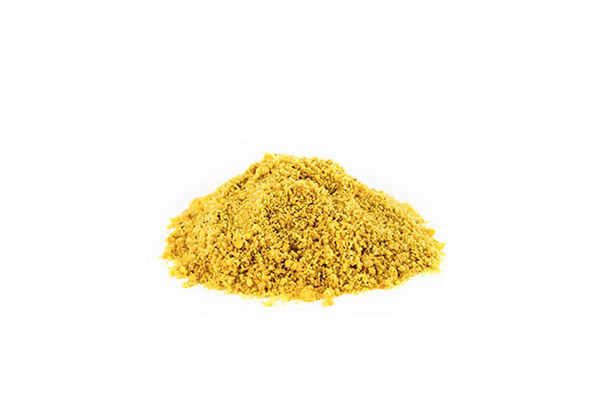
- What it is
- Whole soybeans, oil and all, cooked through a dry extruder so the bean's digestion blockers are mostly destroyed.
- Made from
- Whole cleaned soybeans, oil left in
- Main job
- Plant protein with built-in fat
- Typical amount
- Dog trials tested 10 to 30% of the diet
- Watch for
- Dogs with a diagnosed soy allergy
- Not the same as
- Soybean meal
Our read // In our catalog
In 1 of every 2595 foods we track
Share of foods that list it
0%
1 of the 2,595 foods with an ingredient list on file, from 1 brand. All dry dog food.
Each square is 1% of the catalog
Where it sits on the label
Median position 3. In the top five of 1 food, so it is usually a main ingredient.
Above the salt
Almost always listed before the salt, so there is more of it than a pinch.
Who leans on it
100%
of the foods that list it are from Wysong. 1 brand use it in total.
What it is
How it is made
Most soybeans go to an oil mill. Extruded soybeans skip it: the whole bean is cooked in a dry extruder, which kills its raw-bean digestion blockers and keeps the oil inside for feed.1,2,8
- 01 // Source Whole soybeans Beans are cleaned and ground. Raw, they carry trypsin inhibitors and lectins that harm poultry and pigs fed unheated beans.
- 02 // Process Dry extruded The ground beans are forced through a heated screw at about 140°C and 30 to 80 bar, with no added water.
- 03 // Process Inhibitors cut In one test, trypsin inhibitor fell to 0.49 mg/g at 170°C, but 160°C gave the best-quality meal.
- 04 // Output Extruded soybeans A full-fat meal of about 40% protein and 21% fat on a dry basis, ready for the kibble plant.
What is in it
Composition, dry matter
40
% protein
The average for extruded soybeans, which also carry about 21% fat. It is a protein and an oil source in one ingredient.
Why it is in the bag
What the manufacturer gets
-
01
Protein and fat together
At about 40% protein and 21% fat on a dry basis, one ingredient supplies amino acids and calories that would otherwise take a protein meal plus added oil.1
-
02
Fat the extruder tolerates
Pouring liquid fat into kibble dough lubricates the extruder and hurts expansion. The authors of a 2023 dog trial note fat held inside the bean causes less of that trouble.2
-
03
A plant protein on the label
The same authors say plant proteins answer owner worries about animal by-products. That is a marketing reason, and it says nothing about which protein a dog uses better.2
-
04
A commodity looking for markets
Soybeans are a huge, cheap US crop, and growers want pet food sales: the Kansas Soybean Commission paid for the 2023 dog trial and the beans were donated.2
How much A 12-beagle trial fed whole soybeans at 10, 20 and 30% of an extruded diet; stool scores held steady while digestibility slipped.2
Our read // The claims
What the evidence supports
Strong: controlled studies in dogs agree. Some: small or mixed dog data. Thin: mechanism or lab work only. None: nothing, or the evidence points the other way.
-
Brands say
Extrusion makes soybeans digestible for dogs
Evidence
- Strong
- Some
- Thin
- None
Four dogs digested 83.7% of the protein in extruded whole soybeans, a fair score. Heat level matters: raw beans cooked only once, inside the kibble, lowered protein and fat digestibility as inclusion rose to 30%.2,3
-
Owners say
Soy is a common allergen for dogs
Outruns the evidence
Evidence
- Strong
- Some
- Thin
- None
Soy was the trigger in 18 of 297 dogs with proven food reactions, about 6%. Beef, dairy, chicken and wheat ranked higher. Soy allergy is real, but far less common than beef or dairy allergy.7
-
Critics say
Soy phytoestrogens disrupt a dog's hormones
Outruns the evidence
Evidence
- Strong
- Some
- Thin
- None
Soy-containing dog foods held 24 to 615 micrograms per gram of daidzein, dry basis. In a 1-year trial with 20 dogs finishing, a high-isoflavone diet raised one estradiol reading but changed no coat, body condition or behavior. Royal Canin funded it.5,6
-
Brands say
Soy sugars feed good gut bacteria
Outruns the evidence
Evidence
- Strong
- Some
- Thin
- None
In a 12-beagle trial, whole soybeans raised hindgut fermentation, and fecal moisture rose from 66.4% to 71.0%. The authors call soy sugars potential prebiotics. No dog study shows a health benefit from them.2
-
Owners say
Soy gives dogs gas
Outruns the evidence
Evidence
- Strong
- Some
- Thin
- None
Soybeans carry 4 to 6% oligosaccharides dogs cannot digest, so the mechanism exists. Yet a 6-dog trial found no difference in any flatulence gas between soybean meal and poultry by-product meal diets.1,4
Straight answers
What owners ask
-
Q01
Is it just filler?
NoAt about 40% protein and 21% fat on a dry basis, it supplies both amino acids and calories. Filler would supply neither. Its fair weakness is that soy protein digests a little less well than good animal protein.1,4
-
Q02
Is it the same as soybean meal?
NoSoybean meal is what remains after the oil is pulled out. Extruded soybeans keep the oil, about 21% fat on a dry basis, so they carry more calories and less protein per pound.1
-
Q03
Will soy affect my dog's hormones?
No harm shownA year-long trial found a high-isoflavone diet nudged one estradiol reading but left coat, body condition and behavior unchanged. That is reassuring, not final: only 20 dogs finished, and a pet food company paid for it.6
-
Q04
Why are my dog's stools bigger?
Partly the soyIn the 12-beagle trial, fecal output, moisture and defecation frequency rose as whole soybeans went from 0 to 30% of the diet. Stool scores held steady, so expect more stool, not diarrhea.2
Who uses it
Brands, best sellers and the company it keeps
Top brands, by foods that list it
Usually listed with, share of the foods that list it
- Brown Rice 100%
- Corn 100%
- Pea Protein 100%
- Potato Protein 100%
- Soybean Oil 100%
- Flaxseed 100%
- Peas 100%
- Dicalcium Phosphate 100%
On the shelf
Foods that list it
1 foods in our reviews list it. Here are some of them.
Our read // On the bag
Count it as protein, then check the meat
Extruded soybeans high on a list mean soy supplies a real share of the protein and fat. Look for a named animal protein above them, and notice other plant proteins nearby, such as pea or potato protein. Skip the food only if your dog has a diagnosed soy allergy.
Sources
What we read
Checked October 1, 2026.
- 1 Soybean seeds
- 2 Apparent total tract digestibility and palatability of extruded diets with graded levels of whole soybeans by dogs
- 3 Determinação do valor nutritivo de alimentos energéticos e protéicos utilizados em rações para cães adultos
- 4 In vivo measurement of flatulence and nutrient digestibility in dogs fed poultry by-product meal, conventional soybean meal, and low-oligosaccharide low-phytate soybean meal
- 5 Identification and concentration of soy phytoestrogens in commercial dog foods
- 6 Evaluation of the effects of dietary soy phytoestrogens on canine health, steroidogenesis, thyroid function, behavior and skin and coat quality in a prospective controlled randomized trial
- 7 Critically appraised topic on adverse food reactions of companion animals (2): common food allergen sources in dogs and cats
- 8 Assessment of the quality of extruded full fat soybean meal subjected to different processing temperatures