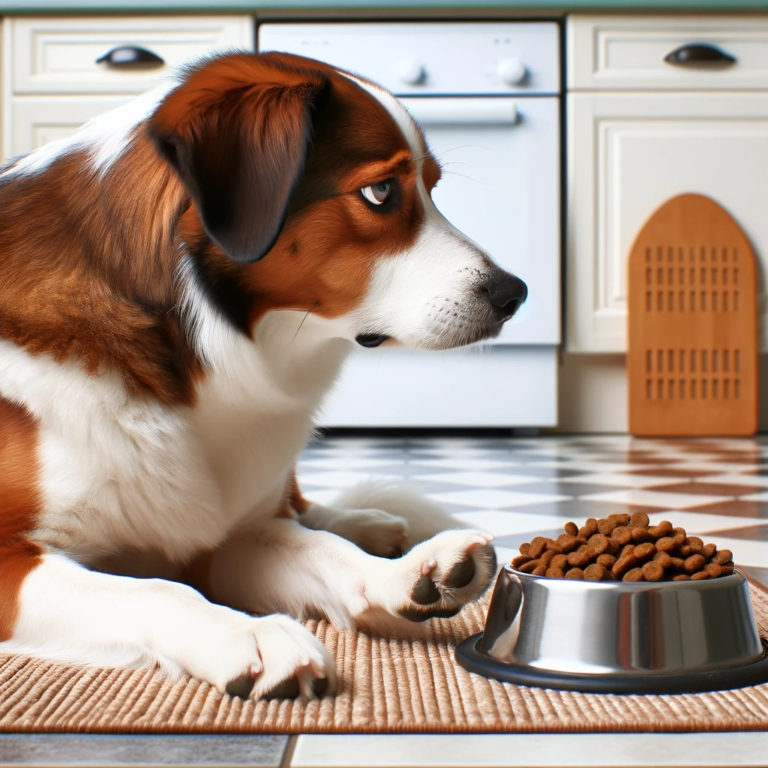
Dog Digestion Problems: Causes, Warning Signs and What Diet Can Fix
Most digestive upset in dogs clears on its own. Knowing which cases will not, and what diet can genuinely fix, is the part worth learning.
Most digestive upset in dogs is short lived and self resolving. Your dog ate something outside, had a bad day, and is fine in thirty six hours. The reason it is worth understanding anyway is that a small number of cases are urgent, and the difference between the two is usually visible if you know what to look at.
How A Dog’s Gut Differs From Yours
Two differences explain most of what people find confusing.
Dogs have a shorter digestive tract relative to body size. Food moves through in roughly six to ten hours, against a day or more in people. That is why a dietary mistake shows up fast, and also why it clears fast.
Dog stomach acid is considerably stronger, sitting around pH 1 to 2 during digestion. This is why dogs handle bacterial loads that would make a person ill, and why “he eats garbage and he is fine” is often true right up until it is not.
The consequence for diet is that dogs are built to handle protein and fat efficiently and are less equipped for large volumes of fermentable fiber arriving suddenly. Most food related upset is a volume and abruptness problem rather than an ingredient problem.
What Actually Causes It
Dietary indiscretion
The single most common cause. Your dog ate something they should not have: garbage, a dead thing, a large volume of grass, half a loaf of bread, something greasy off a plate. Usually resolves on its own.
An abrupt food change
Gut bacteria adapt to a specific diet, and swapping foods overnight leaves that population unmatched to what has arrived. The result is a few days of loose stools that people commonly misread as an intolerance to the new food. Transitioning over seven to ten days avoids almost all of it.
Too much fat, too quickly
A large fat load can trigger pancreatitis, which is a different and more serious problem than an upset stomach. Repeated vomiting, a hunched posture, obvious abdominal pain and refusal to eat after a fatty meal is a vet visit rather than a wait.
Food intolerance or allergy
Real but overdiagnosed. True food allergy in dogs is usually to a protein source, most often the one they have eaten the longest, and it more often shows as itching, ear infections and paw chewing than as digestive signs. Diagnosis requires a strict elimination diet run for eight to twelve weeks with nothing else fed at all. Over the counter allergy tests are not a substitute for it.
Parasites
Giardia, roundworms, hookworms and whipworms are common, particularly in puppies and dogs with outdoor access. Chronic soft stool in an otherwise well dog is worth a fecal test before it is worth a food change.
Stress
Stress colitis is real and produces genuinely alarming stools, often with fresh blood and mucus, in a dog that otherwise seems fine. Boarding, moving and travel are typical triggers. It usually settles in a few days.
Something structural or chronic
Inflammatory bowel disease, exocrine pancreatic insufficiency, and foreign bodies all present as digestive problems and none of them are managed by changing brands. A dog with recurring or persistent symptoms needs a diagnosis first.
When To Call The Vet
This is the part worth remembering. Contact a vet promptly if you see:
- Unproductive retching, a swollen or hard abdomen, and obvious distress. This can be bloat and gastric torsion, which is a genuine emergency measured in hours, not days. Deep chested breeds are at highest risk.
- Black, tarry stool. That is digested blood from higher up the tract.
- Repeated vomiting, or any vomiting alongside lethargy or collapse.
- Signs of dehydration: tacky gums, skin that stays tented when lifted, sunken eyes.
- Any symptoms in a puppy, a senior, or a dog with an existing condition. Puppies dehydrate and drop their blood sugar much faster than adults, so the safe waiting period is far shorter.
- Suspicion your dog swallowed an object, or ate anything on the toxic list.
- Anything still going after 24 to 48 hours in an otherwise healthy adult.
A single episode of vomiting or one loose stool in a dog that is bright, drinking and behaving normally does not need any of this.
What Diet Can And Cannot Fix
Diet is the right lever for a narrow set of problems and the wrong one for the rest.
Diet helps with: upset caused by an abrupt switch, stools that are consistently too soft or too hard, a food the dog genuinely does not tolerate, and fat sensitivity in a dog with a pancreatitis history.
Diet does not fix: parasites, obstructions, infections, IBD, or pancreatic insufficiency. Cycling through four brands looking for the one that works is a common and expensive way to delay a diagnosis, and it also makes the eventual elimination trial harder because there are fewer novel proteins left to use.
The Label Factors That Actually Matter
If the problem is genuinely dietary, three things on the bag are worth looking at.
Fat. High fat foods are harder on dogs with a pancreatitis history or a sensitive gut. The guaranteed analysis gives you a minimum, not the actual figure, but it is a floor worth knowing.
Fiber type and amount. Beet pulp and pumpkin are moderately fermentable fibers that firm up loose stools for a lot of dogs. Very high fiber foods do the opposite for some.
Protein source. If you are running an elimination trial, you need a protein your dog has genuinely never eaten, which means reading every panel including the treats.
Comparing those numbers across bags is harder than it should be, because guaranteed analysis figures are printed as fed and foods with different moisture levels are not directly comparable. We convert every food we index to the same basis for exactly that reason, which you can browse in the dog food reviews. What each panel ingredient actually is sits in the ingredient wiki.
Changing Food Without Causing The Problem
If a switch is warranted, do it over seven to ten days: about 25% new food for two or three days, then half and half, then 75%, then all new. A dog with a known sensitive gut can take two weeks. If loose stools appear at a given ratio, hold there for a few days rather than pushing forward.
Change one thing at a time and give it two to four weeks before judging it. Stool quality is the readout, and it takes longer to settle than most people allow.
In The Kibble reads labels and publishes what the numbers say. Guides are general information, not veterinary advice. Your vet knows your dog's history and we do not, so take anything here to them before you change how you feed.