
Ingredient file // Animal protein
Alaska Pollock Meal
A useful fish protein, with oil claims unproven
Alaska pollock meal is cooked and dried fish material, often made from parts left after seafood processing. It supplies concentrated protein and minerals to kibble. Its name does not tell you how much omega-3 fat reaches the finished food.
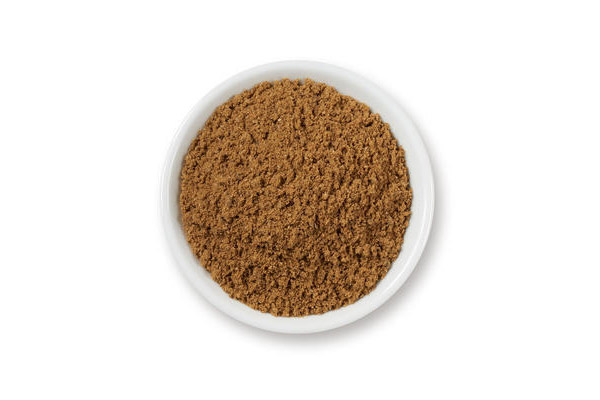
- What it is
- Cooked, dried and ground Alaska pollock material used as a concentrated fish protein ingredient.
- Made from
- Alaska pollock and its processing leftovers
- Main job
- Concentrated fish protein
- Typical amount
- Not published
- Watch for
- A diagnosed fish allergy
- Not the same as
- Pollock oil
Our read // In our catalog
In 1 of every 412 foods we track
Share of foods that list it
0%
6 of the 2,473 foods with an ingredient list on file, from 1 brand. All dry dog food.
Each square is 1% of the catalog
Where it sits on the label
Median position 9. In the top five of 2 foods, so it is usually a supporting ingredient.
Above the salt
Almost always listed before the salt, so there is more of it than a pinch.
Price per lb
Median of the cheapest bag price across 5 priced foods, 18% below the catalog. The price is the food's, not the ingredient's.
Who leans on it
100%
of the foods that list it are from Earthborn Holistic. 1 brand use it in total.
What it is
How it is made
Pollock processors sell seafood products for people and have heads, frames, skin and trimmings left to use. Fish meal production removes much of the water and oil from this material, making a dry ingredient for feed.4,5,10
- 01 // Source Pollock material Heads, frames, skin and trimmings from seafood processing are among the materials used for fish meal.
- 02 // Process Cooked and pressed Cooking firms the protein so pressing separates a solid cake from water and oil.
- 03 // Process Dried and ground The cake is dried to limit spoilage, then ground to break up lumps and bone.
- 04 // Output Pollock meal The dry meal reaches the kibble plant with concentrated protein, minerals and some residual fat.
What is in it
Composition, dry matter
63.4
% protein
Crude protein in one American sourced pollock meal sample. It shows the meal's main job, but does not set a standard for every batch.
Why it is in the bag
What the manufacturer gets
-
01
Adds fish protein
Removing water concentrates the fish solids. The meal contributes protein to the recipe, while the finished food still needs the right balance of nutrients.3,4,5
-
02
Supplies bone minerals
Heads and frames contribute calcium and phosphorus. More bone raises ash and generally leaves less room for protein in a given batch.4,10
-
03
Uses processing leftovers
Meal gives seafood processors a saleable product from parts left after human food production. An Alaska industry report says pollock meal tends to sell for more than salmon meal.8,10
-
04
Adds fish flavor
Fish meal brings a characteristic marine smell and flavor. In dog tests, a salmon meal diet was eaten about as readily as a chicken control, though that result does not measure pollock meal.2,4
How much A senior dog trial fed 20% whitefish meal, but did not identify that meal as Alaska pollock meal.1
Our read // The claims
What the evidence supports
Strong: controlled studies in dogs agree. Some: small or mixed dog data. Thin: mechanism or lab work only. None: nothing, or the evidence points the other way.
-
Brands say
Pollock meal is a concentrated animal protein
Evidence
- Strong
- Some
- Thin
- None
One American sourced pollock meal sample measured 63.4% crude protein on a dry matter basis. Cooking and drying remove water, leaving protein concentrated in the meal. That figure does not reveal the pollock share of a finished food.3,5
-
Brands say
Fish meal replaces poultry protein without hurting digestion
Outruns the evidence
Evidence
- Strong
- Some
- Thin
- None
A senior dog trial replaced poultry by-product meal with 20% whitefish meal and found no change in apparent nutrient digestibility or measured immune markers. It tested that whitefish meal, not Alaska pollock meal.1
-
Brands say
Pollock meal omega-3s soothe itchy skin
Outruns the evidence
Evidence
- Strong
- Some
- Thin
- None
A review found no convincing benefit over placebo in secondary skin outcomes from 4 fatty acid studies, though 1 high-quality trial reported reduced steroid use after 8 weeks. None tested pollock meal or its EPA and DHA dose.5,6
-
Brands say
Pollock meal is hypoallergenic for every dog
Outruns the evidence
Evidence
- Strong
- Some
- Thin
- None
Fish was reported as a reaction trigger in 5 of 297 dogs gathered in a food allergy review. Those counts do not measure risk for all dogs, but pollock meal remains fish protein that a dog with a diagnosed fish reaction should avoid.7
-
Critics say
Pollock meal is a low quality filler
Outruns the evidence
Evidence
- Strong
- Some
- Thin
- None
A tested pollock meal was 63.4% protein on a dry basis, and a dog trial used 20% whitefish meal without lowering measured digestibility. Batch quality varies, but calling fish meal inert bulk ignores its protein contribution.1,3,4
Straight answers
What owners ask
-
Q01
Is it just filler?
NoIt contributes fish protein and minerals. One measured pollock meal was 63.4% protein on a dry basis. The ingredient name alone cannot tell you how much of that protein is in the finished food.3,4
-
Q02
Is it rich in omega-3s?
Not assuredPressing separates much of the oil during meal production, though some fat remains. A pollock meal listing gives no EPA or DHA amount. Look for those amounts in the finished food before relying on an omega-3 claim.3,5
-
Q03
What if my dog reacts to fish?
Skip itPollock meal contains fish protein. Fish appeared among the reported triggers in a dog food allergy review. If your dog has a diagnosed fish reaction, choose food without pollock meal or other fish protein.7
-
Q04
Does named pollock guarantee quality?
NoThe name identifies the fish source, but not the bone share, freshness or handling of a batch. Published fish substrate research found substantial variation. Supplier specifications would tell the manufacturer more than the ingredient list tells you.2,4,9
Who uses it
Brands, best sellers and the company it keeps
Top brands, by foods that list it
Usually listed with, share of the foods that list it
- Tapioca 100%
- Pumpkin 83%
- Flaxseed 83%
- Natural Flavor 67%
- Sunflower Oil 50%
- Salt 50%
- Potassium Chloride 33%
- Choline Chloride 33%
- Peas 33%
- Pea Protein 33%
- Canola Oil 33%
- Dried Yeast 33%
On the shelf
Foods that list it
6 foods in our reviews list it. Here are some of them.
Show 4 more
Earthborn Holistic Venture Limited Ingredient Grain-Free Roasted Lamb & Butternut Squash Dry Dog Food28.9% proteinEarthborn Holistic Coastal Catch Grain-Free Dry Dog Food35.6% proteinEarthborn Holistic Great Plains Feast Grain-Free Dry Dog Food35.6% proteinEarthborn Holistic Primitive Natural Grain-Free Dry Dog Food35.6% proteinOur read // On the bag
Read it as protein, then check the recipe
Pollock meal high on an ingredient list signals a substantial fish protein contribution, since ingredients are listed by weight. Check the finished food's protein guarantee and the starches and fats nearby. For an omega-3 promise, look for stated EPA and DHA amounts. Avoid it if your dog has a diagnosed fish reaction.
Sources
What we read
Checked October 1, 2026.
- 1 Fish protein substrates can substitute effectively for poultry by-product meal when incorporated in high-quality senior dog diets
- 2 Fish meals, fish components, and fish protein hydrolysates as potential ingredients in pet foods
- 3 Apparent digestibility coefficients of animal feed ingredients for olive flounder (Paralichthys olivaceus)
- 4 Fish meal
- 5 Fish Meal
- 6 Interventions for atopic dermatitis in dogs: a systematic review of randomized controlled trials
- 7 Critically appraised topic on adverse food reactions of companion animals (2): common food allergen sources in dogs and cats
- 8 Analyses of Specialty Alaska Seafood Products
- 9 What’s in the Ingredients List?
- 10 Alaska Seafood: Overview of the Global Supply Chain