
Ingredient file // Animal protein
Hydrolyzed Chicken Liver
Useful protein and flavor with an allergy limit
Hydrolyzed chicken liver is liver treated with enzymes that cut its proteins into smaller pieces, then usually dried into a powder. It supplies protein or flavors food, depending on the amount. Dogs with a diagnosed chicken allergy can still react to it.
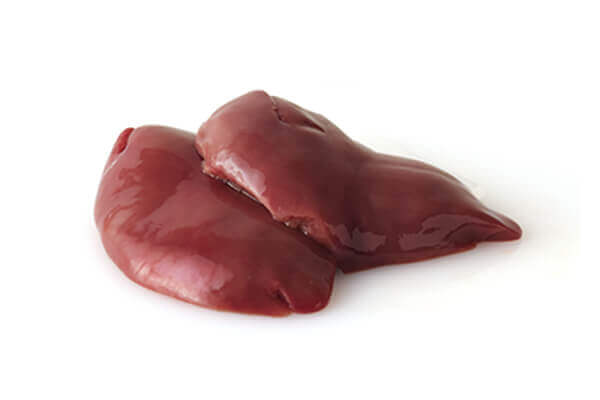
- What it is
- Chicken liver treated with enzymes to break its proteins into smaller peptides, then usually dried.
- Made from
- Chicken livers from poultry processing
- Main job
- Protein and flavor
- Typical amount
- Not published
- Watch for
- Reactions in dogs with chicken allergy
- Not the same as
- Plain chicken liver
Our read // In our catalog
In 1 of every 841 foods we track
Share of foods that list it
0%
3 of the 2,523 foods with an ingredient list on file, from 2 brands. 2 dry dog food, 1 wet dog food.
Each square is 1% of the catalog
Where it sits on the label
Median position 2. In the top five of 2 foods, so it is usually a main ingredient.
Above the salt
Almost always listed before the salt, so there is more of it than a pinch.
Price per lb
Median of the cheapest bag price across 3 priced foods, 77% above the catalog. The price is the food's, not the ingredient's.
Who leans on it
67%
of the foods that list it are from Hill's. 2 brands use it in total.
What it is
How it is made
Poultry processing supplies livers that are sometimes used in pet food. Ingredient makers treat the liver with enzymes to break up its proteins, then dry the mixture into a powder for recipes or kibble coatings.3,5
- 01 // Source Chicken livers Livers separated during poultry processing provide the raw material and its characteristic flavor.
- 02 // Process Liver prepared The liver is made into a mixture so the enzymes can reach its proteins.
- 03 // Process Proteins hydrolyzed Enzymes cut long protein chains into smaller peptides and free amino acids.
- 04 // Process Spray dried The treated mixture is dried into a powder that is measured into food or coatings.
- 05 // Output Liver hydrolysate A dry powder reaches the pet food plant as a protein ingredient or flavor coating.
What is in it
Composition, dry matter
66
% protein
Protein in a tested commercial powder after accounting for its water. It contributes meaningful protein when a recipe uses enough of it.
Why it is in the bag
What the manufacturer gets
-
01
Supplies animal protein
The powder contributes amino acids to a recipe. One dog study used it as the sole animal protein ingredient, showing that its job is sometimes larger than flavor.3
-
02
Adds liver flavor
A supplier sells the powder for coatings and for mixing into dry or wet food. Its small coating test shows how manufacturers can flavor kibble without using much powder.5
-
03
Uses a poultry coproduct
Livers from poultry processing gain another market when converted into a shelf-stable powder. At a small coating amount, one batch can flavor much more finished food.5
-
04
Makes restricted protein diets
Hydrolysis cuts proteins into smaller pieces for diets intended for food reactions. A blinded dog challenge showed that the resulting chicken liver diet still triggered some allergic dogs.1,3
How much A supplier tested a 2% kibble coating; a dog feeding study used the powder at 25.8% of the diet.3,5
Our read // The claims
What the evidence supports
Strong: controlled studies in dogs agree. Some: small or mixed dog data. Thin: mechanism or lab work only. None: nothing, or the evidence points the other way.
-
Brands say
Every chicken-allergic dog can eat hydrolyzed liver
Outruns the evidence
Evidence
- Strong
- Some
- Thin
- None
In a randomized, blinded crossover challenge, 4 of 10 dogs with chicken allergy developed an itch flare on a hydrolyzed chicken liver diet. Breaking up the protein did not make that diet safe for every dog.1
-
Brands say
Its protein digests better than poultry meal
Outruns the evidence
Evidence
- Strong
- Some
- Thin
- None
A 12-dog trial found greater protein digestibility with hydrolyzed liver than with poultry byproduct meal, but lower fat and carbohydrate digestibility. An earlier 12-dog comparison found similar protein digestibility between the diets. The advantage depends on the comparison.2,3
-
Brands say
Dogs prefer kibble flavored with hydrolyzed liver
Outruns the evidence
Evidence
- Strong
- Some
- Thin
- None
A supplier reports that 85% of dogs chose kibble with a 2% coating first, without publishing its group size or methods. In a separate 22-dog trial, dogs showed no preference for a diet containing much more hydrolysate.3,5
-
Brands say
Liver peptides give dogs antioxidant protection
Outruns the evidence
Evidence
- Strong
- Some
- Thin
- None
An enzymatically made liver hydrolysate scavenged 92.76% of one test radical in a laboratory assay. That is a reaction in a tube, not evidence of antioxidant protection in dogs eating food made with it.4
-
Critics say
Hydrolyzed liver is just filler
Outruns the evidence
Evidence
- Strong
- Some
- Thin
- None
A tested commercial powder was about 66% protein on a dry matter basis, and one dog study used it as the sole animal protein ingredient. It also serves as flavor at smaller amounts; either use gives it a job.3,5
Straight answers
What owners ask
-
Q01
Is it just filler?
NoIt supplies protein and can add flavor. A small coating mainly does the flavor job; a larger amount can supply much of a food's animal protein. Its place on the ingredient list helps you judge which job it has.3,5
-
Q02
Can my chicken-allergic dog eat it?
Not reliablyHydrolysis is no guarantee. In a blinded challenge, 4 of 10 chicken-allergic dogs flared on a hydrolyzed chicken liver diet. Judge a specific diet by your dog's response during a veterinarian-directed food trial.1
-
Q03
Does hydrolyzed mean easier digestion?
For protein, sometimesOne dog trial found better protein digestibility than with poultry byproduct meal. Another found no difference, and the first trial's hydrolyzed liver diets had lower fat and carbohydrate digestibility. The word alone does not promise an easier-to-digest food.2,3
Who uses it
Brands, best sellers and the company it keeps
Top brands, by foods that list it
Usually listed with, share of the foods that list it
- Hydrolyzed Chicken 67%
- Corn Starch 67%
- Ground Pecan Shells 67%
- Soybean Oil 67%
- Flaxseed 67%
- Dried Beet Pulp 67%
- Chicken Meal 33%
- Oatmeal 33%
- Pearled Barley 33%
- White Rice 33%
- Brown Rice 33%
- Dried Plain Beet Pulp 33%
On the shelf
Foods that list it
3 foods in our reviews list it. Here are some of them.
Our read // On the bag
Read its position and watch your dog
High on the list, hydrolyzed chicken liver is likely supplying meaningful protein. Farther down, it may mainly add flavor. Check the other protein ingredients before treating a food as an elimination diet. For a dog with chicken allergy, the hydrolyzed label cannot replace a carefully run food trial.
Sources
What we read
Checked October 1, 2026.
- 1 A randomized, double-blinded crossover trial testing the benefit of two hydrolysed poultry-based commercial diets for dogs with spontaneous pruritic chicken allergy
- 2 Effects of hydrolyzed chicken liver on digestibility, fecal and urinary characteristics, and fecal metabolites of adult dogs
- 3 Characterisation of spray dried hydrolysed chicken liver powder: effects on palatability and digestibility when included as single source of animal protein in dog diets
- 4 In-vitro antioxidant and antibacterial properties of fermentatively and enzymatically prepared chicken liver protein hydrolysates
- 5 Nutrient density of hydrolyzed chicken liver powders