
Ingredient file // Preservative
Pomegranate Extract
A food antioxidant with unproven health perks
Pomegranate extract concentrates compounds drawn from the fruit or its peel. It lowered fat oxidation markers in an accelerated dog food test. A small feeding trial found changes in blood and stool markers, but no study showed a lasting health benefit.
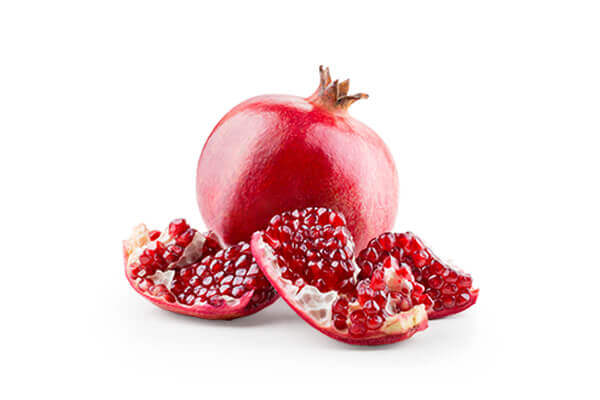
- What it is
- A concentrated preparation of pomegranate fruit or peel that retains compounds such as punicalagin and ellagic acid.
- Made from
- Pomegranate fruit or juice processing residue
- Main job
- Slow fat oxidation
- Typical amount
- Not published
- Watch for
- Extract strength and processing losses vary
- Not the same as
- Pomegranate peel powder
Our read // In our catalog
In 1 of every 865 foods we track
Share of foods that list it
0%
3 of the 2,595 foods with an ingredient list on file, from 1 brand. All dry dog food.
Each square is 1% of the catalog
Where it sits on the label
Median position 31. In the top five of 0 foods, so it is usually a minor ingredient.
Above the salt
Usually listed after the salt, which caps it at roughly 1% of the recipe in 100% of foods.
Price per lb
Median of the cheapest bag price across 1 priced foods, 6% below the catalog. The price is the food's, not the ingredient's.
Who leans on it
100%
of the foods that list it are from NutriSource. 1 brand use it in total.
What it is
How it is made
Juice production leaves pomegranate peels and other solids behind. Extract makers use that residue or the fruit itself, draw out soluble compounds with water or alcohol, then concentrate the liquid into a dry ingredient.1,5,7
- 01 // Source Fruit or peels Extracts start with pomegranate fruit or material left after the juice is removed.
- 02 // Process Dried and ground In one published method, separated peels were air dried and ground before extraction.
- 03 // Process Compounds extracted Water or an alcohol mixture draws soluble compounds from the prepared fruit material.
- 04 // Output Dry extract The extracted liquid is concentrated and dried into an ingredient ready for a food recipe.
What is in it
Composition, dry matter
45.57
g/kg
Beta punicalagin in one analyzed dry peel extract. This sample result does not tell you how much reaches a dog's bowl.
Why it is in the bag
What the manufacturer gets
-
01
Slows food oxidation
An accelerated test found lower fat oxidation markers in ground dog food treated with extract. That measures a change in the food, not antioxidant protection inside a dog.3
-
02
Supports a botanical claim
The extract gives manufacturers a recognizable plant ingredient to discuss. A small dog trial measured changes in blood and stool markers, but did not test long term health.1
-
03
Uses juice leftovers
Juice peels supply extraction material. Cost matters: food researchers selected curcumin and grape seed for further tests because those extracts were cheaper and more available.3,6
How much Researchers tested 0.2% extract in ground dog food; a separate extrusion study added 1% peel extract to a test recipe.3,6
Our read // The claims
What the evidence supports
Strong: controlled studies in dogs agree. Some: small or mixed dog data. Thin: mechanism or lab work only. None: nothing, or the evidence points the other way.
-
Brands say
Slows oxidation of fats in dog food
Evidence
- Strong
- Some
- Thin
- None
Researchers added 0.2% extract to ground food with added oils. After 12 days in open pans at 55°C, its fat oxidation marker rose 54%, versus 158% without extract. Intact kibble in a bag was not tested.3
-
Brands say
Protects your dog's cells from oxidative damage
Outruns the evidence
Evidence
- Strong
- Some
- Thin
- None
A crossover trial in 6 dogs found lower red blood cell lipid peroxidation after 30 days of peel extract. Those are blood markers, not proof of disease prevention or an effect at an undisclosed kibble dose.1
-
Brands say
Feeds a healthier gut microbiome
Outruns the evidence
Evidence
- Strong
- Some
- Thin
- None
The 6-dog trial found more fecal acetate, propionate and butyrate with peel extract. It measured fermentation products, not microbiome composition or improved gut health. A change in stool chemistry does not prove the claim.1
-
Brands say
Keeps your dog's teeth clean
Outruns the evidence
Evidence
- Strong
- Some
- Thin
- None
A 40-dog trial found less plaque with a water additive containing pomegranate, erythritol and inulin. It could not isolate pomegranate's effect and did not test kibble. A separate study tested the extract against oral bacteria only in the lab.2,4
Straight answers
What owners ask
-
Q01
Is it just filler?
NoIt has a measured job in food: an accelerated test found less fat oxidation with extract added. That is a narrow use, and a low place on the ingredient list fits it.3,8
-
Q02
Is extract the same as fruit?
NoExtraction selects soluble compounds from fruit or juice residue. It is neither whole pomegranate nor ground peel. The ingredient name does not reveal the raw material, extraction method or punicalagin content.5,7
-
Q03
Should I add a supplement?
No reasonThe feeding evidence comes from 6 dogs given a measured peel extract, not from routine supplementation. If considering a human supplement, check its full ingredient list for xylitol, which is toxic to dogs.1,9
Who uses it
Brands, best sellers and the company it keeps
Top brands, by foods that list it
Usually listed with, share of the foods that list it
- Oatmeal 100%
- Barley 100%
- Brown Rice 67%
- Sunflower Oil 67%
- Flax Seed 67%
- Dried Plain Beet Pulp 67%
- Duck 33%
- Duck Meal 33%
- Natural Flavor 33%
- Pea Protein 33%
- Salmon 33%
- Salmon Meal 33%
Our read // On the bag
Treat the extract as a minor ingredient
Read the proteins and fats above it first. A low listed extract may serve as a food antioxidant, but the bag does not tell you its dose or how much punicalagin survived processing. Judge the food by its main ingredients and complete nutrition statement, not its pomegranate claim.
Sources
What we read
Checked October 1, 2026.
- 1 Nutrient digestibility, hindgut metabolites and antioxidant status of dogs supplemented with pomegranate peel extract
- 2 A water additive with pomegranate can reduce dental plaque and calculus accumulation in dogs
- 3 Effects of natural antioxidants on the stability of omega-3 fatty acids in dog food
- 4 In vitro effectiveness of pomegranate extract present in pet oral hygiene products against canine oral bacterial species
- 5 Pomegranate peel extract polyphenols attenuate the SARS-CoV-2 S-glycoprotein binding ability to ACE2 Receptor: In silico and in vitro studies
- 6 Effects of extrusion processing on pomegranate peel polyphenols in dry pet food
- 7 Pomegranate Fruit Dry Extract
- 8 What’s in the Ingredients List?
- 9 Can Dogs Eat Pomegranates?