
Ingredient file // Animal protein
Sardines
Real fish protein with a variable fat payoff
Sardines are small fish that bring animal protein and the marine fats EPA and DHA to dog food. Their fat content changes with the catch, and the ingredient list cannot tell you how much EPA and DHA remain in the finished food.
Role in the food Supporting nutrient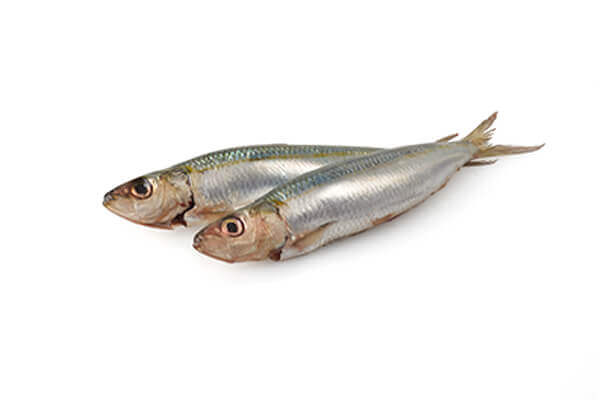
- What it is
- Small oily marine fish used as a named source of animal protein and natural fat.
- Made from
- Caught sardines, chilled or frozen
- Main job
- Animal protein and marine fat
- Typical amount
- Not published
- Watch for
- Fish allergy and poor chilling
- Not the same as
- Sardine meal
Our read // In our catalog
In 1 of every 621 foods we track
Share of foods that list it
0%
5 of the 3,105 foods with an ingredient list on file, from 4 brands. 4 wet dog food, 1 dog food topper.
Each square is 1% of the catalog
Where it sits on the label
Median position 4. In the top five of 5 foods, so it is usually a main ingredient.
Above the salt
Almost always listed before the salt, so there is more of it than a pinch.
Who leans on it
40%
of the foods that list it are from Nature's Logic. 4 brands use it in total.
What it is
How it is made
Commercial fisheries supply sardines for seafood and fish meal production. For wet pet food, fish is kept cold during transport, checked at the plant, mixed with other ingredients, then cooked in a sealed package.6,10,11
- 01 // Source Caught sardines Small fish come from commercial catches that also supply seafood processors and fish meal plants.
- 02 // Process Kept cold The catch is iced, refrigerated or frozen to limit spoilage before it reaches the plant.
- 03 // Process Checked at intake Pet food makers assess incoming ingredients against their handling and recipe requirements.
- 04 // Output Sardines Chilled or frozen fish enters the wet food mix before the sealed food is heat processed.
What is in it
Composition, dry matter
78
% protein
Protein in one fresh sardine sample after excluding water. It describes that catch, not a fixed value for every sardine ingredient.
Why it is in the bag
Real protein and fish fat, in an unknown amount
- Main nutrition
- Supporting nutrient
- Does a job
- Mostly filler
Sardines add real animal protein and marine fat, including EPA and DHA, so they are not filler. Makers do not publish how much they use. Labels rank ingredients by weight as mixed, and fresh fish brings water with it, so even a high spot does not show its share of the food's protein or fat. Higher on a list it likely adds more; far down, likely less. Sardine fat also shifts with the season.4,5,9
-
01
Adds animal protein
Sardines contribute protein as well as fat. Fish oil contributes fat alone, so sardines also add to the food's protein figure; the label does not disclose how much.4,6,9
-
02
Supplies EPA and DHA
Sardine fat contains these marine omega-3 fats. Fat content changes with the fishing season, so the ingredient name does not show the dose in the finished food.5
-
03
Draws on an existing catch
Commercial catches already supply sardines to canneries and fish meal and oil plants. That fishery provides a source of named fish for pet food, which still requires cold transport.6,10,11
How much No usual inclusion rate is published; ingredient order shows sardines' mixing weight, not their percentage or the finished food's EPA and DHA content.9
Our read // The claims
What the evidence supports
Strong: controlled studies in dogs agree. Some: small or mixed dog data. Thin: mechanism or lab work only. None: nothing, or the evidence points the other way.
-
Brands say
Sardines supply real animal protein
Evidence
- Strong
- Some
- Thin
- None
A fresh sardine sample measured 78.17% protein on a dry matter basis. Sardines contribute protein, but the amount delivered by a food depends on how much fish the maker used.4
-
Brands say
Sardines give dogs a shinier coat
Outruns the evidence
Evidence
- Strong
- Some
- Thin
- None
In a blinded crossover trial, 16 itchy dogs had better coat scores with marine oil than with corn oil. They received measured oil capsules, not sardines in food; a sardine listing cannot promise the same result.2,5
-
Brands say
Sardines ease a dog's arthritis
Outruns the evidence
Evidence
- Strong
- Some
- Thin
- None
A brand-funded trial of 177 dogs found better lameness and weight bearing at the highest fish oil dose, but not the middle dose. It tested added oil, not sardines, and a label gives no treatment dose.1,12
-
Owners say
Sardines are mercury-free
Outruns the evidence
Evidence
- Strong
- Some
- Thin
- None
FDA's 90 sardine samples averaged 0.013 ppm mercury, and some measured higher. That is a low average, not zero; the survey also cannot certify a particular pet food batch.7
Straight answers
What owners ask
-
Q01
Is it just filler?
NoSardines provide protein and fat, including EPA and DHA. How much they contribute depends on the recipe. Their place on the ingredient list gives weight order, not the amount of fish.4,5,9
-
Q02
How much sardine is in it?
Not disclosedIngredients are listed by weight when mixed, without a required percentage beside each one. Ask the maker for sardine content and a finished food EPA and DHA analysis if those fats drive your choice.9
-
Q03
Is it the same as fish oil?
NoFish oil is separated fat. Sardines also contain protein and other fish solids. Sardine meal is different again: fish is cooked, pressed, dried and ground into a concentrated ingredient.4,6
-
Q04
Should I worry about mercury?
Low, not zeroFDA's sardine survey found a low average mercury level across 90 samples. It does not test the fish in your bag, but it gives no reason to treat sardines as a high mercury fish.7
Who uses it
Brands, best sellers and the company it keeps
Top brands, by foods that list it
Usually listed with, share of the foods that list it
- Salt 40%
- Beef 40%
- Porcine Plasma 40%
- Montmorillonite Clay 40%
- Herring Oil 40%
- Egg Shell Meal 40%
- Brewers Dried Yeast 40%
- Dried Apples 40%
- Fish Stock 20%
- Fermented Raw Whey 20%
- Chicken 20%
- Chicken Broth 20%
On the shelf
Foods that list it
5 foods in our reviews list it. Here are some of them.
Our read // On the bag
Read the fish amount and finished fat
Sardines high on the list have mixing weight, but fresh fish brings water along with its protein and fat. Read the rest of the ingredients and compare protein on a dry matter basis. If you want EPA and DHA, ask for their measured levels in the finished food. Skip sardines for a dog with a diagnosed fish allergy.
Sources
What we read
Checked October 11, 2026.
- 1 Dose-Titration Effects of Fish Oil in Osteoarthritic Dogs
- 2 Double-blinded Crossover Study with Marine Oil Supplementation Containing High-dose icosapentaenoic Acid for the Treatment of Canine Pruritic Skin Disease
- 3 Critically appraised topic on adverse food reactions of companion animals (2): common food allergen sources in dogs and cats
- 4 Suitability of a superheated steam dryer for drying sardines
- 5 Seasonal Changes in Free Amino Acid and Fatty Acid Compositions of Sardines, Sardina pilchardus (Walbaum, 1792): Implications for Nutrition
- 6 Fish meal
- 7 Mercury Levels in Commercial Fish and Shellfish (1990-2012)
- 8 Bad Bug Book
- 9 Ingredients - Making Pet Food
- 10 How Pet Food Is Made
- 11 Planning and engineering data 2. Fish canning - 2. Raw materials
- 12 ERRATUM