
Ingredient file // Animal protein
Venison Liver
Useful organ nutrition, with an unknown dose
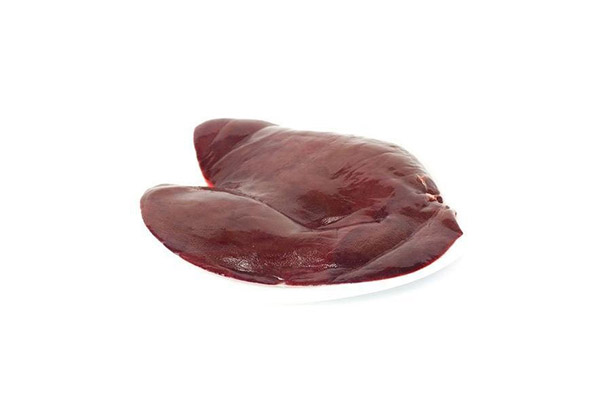
Venison liver is a deer's liver added to dog food as organ meat. It contributes protein, vitamin A and flavor. The ingredient list tells you where it ranks by weight, but not how much liver or vitamin A the food contains.
- What it is
- The liver from a deer, used as organ meat in dog food recipes.
- Made from
- Deer liver
- Main job
- Organ nutrients and flavor
- Typical amount
- Varies; one disclosed raw recipe uses 5%
- Watch for
- Extra liver treats or a copper restricted diet
- Not the same as
- Venison muscle meat
Our read // In our catalog
In 1 of every 360 foods we track
Share of foods that list it
0%
7 of the 2,523 foods with an ingredient list on file, from 5 brands. 4 frozen dog food, 2 dry dog food, 1 wet dog food.
Each square is 1% of the catalog
Where it sits on the label
Median position 4. In the top five of 6 foods, so it is usually a main ingredient.
Above the salt
Almost always listed before the salt, so there is more of it than a pinch.
Who leans on it
43%
of the foods that list it are from Lotus. 5 brands use it in total.
What it is
How it is made
Venison processors separate liver while dressing deer for meat. The muscle cuts are the main product, while the organ offers another outlet. Raw liver spoils quickly, so it is kept cold before use.5,6,10
- 01 // Source Deer liver The liver is removed separately when a deer is dressed for venison.
- 02 // Process Kept cold Raw liver is chilled or frozen to limit spoilage during storage and transport.
- 03 // Process Portioned The organ is weighed and prepared for mixing with the recipe's other ingredients.
- 04 // Output Venison liver It enters the pet food recipe as organ meat; later cooking depends on the finished food.
What is in it
Composition, dry matter
75
% protein
About three quarters of the dry liver was crude protein in a fallow deer study. The amount added to a dog food remains unknown.
Why it is in the bag
What the manufacturer gets
-
01
Adds organ nutrients
Liver contributes protein and preformed vitamin A. Its contribution to the finished food depends on the recipe amount, which the ingredient list does not disclose.4,8
-
02
Adds liver flavor
Manufacturers use liver in foods dogs accept. A dog trial tested processed chicken liver, so it cannot show a flavor advantage for venison liver.1,6
-
03
Uses a separate organ
Selling liver gives venison processors an outlet beyond muscle cuts. Separated livers are a limited slaughter product, used as a specialty pet food ingredient rather than a bulk protein.6
How much One maker discloses 5% venison liver in a raw recipe; that example is not an industry average.11
Our read // The claims
What the evidence supports
Strong: controlled studies in dogs agree. Some: small or mixed dog data. Thin: mechanism or lab work only. None: nothing, or the evidence points the other way.
-
Brands say
Venison liver adds protein and vitamin A
Evidence
- Strong
- Some
- Thin
- None
Across three fallow deer feeding groups, raw liver averaged about 75% crude protein and 169 to 333 mg/kg retinol on a dry basis. Those are ingredient values. A label listing gives no finished food dose.4,8
-
Brands say
Liver makes picky dogs eat more
Outruns the evidence
Evidence
- Strong
- Some
- Thin
- None
A palatability test used 22 dogs and hydrolyzed chicken liver powder in a complete diet. That is a different animal and process. It does not show that venison liver increases intake in another recipe.1
-
Brands say
Venison liver makes food safe for allergic dogs
Outruns the evidence
Evidence
- Strong
- Some
- Thin
- None
Of 4 retail venison diets tested, 3 contained undeclared soy and 1 contained undeclared beef. The study tested whole foods, not liver. A venison ingredient alone cannot qualify a food for an allergy trial.2
-
Owners say
Any venison liver causes vitamin A poisoning
Outruns the evidence
Evidence
- Strong
- Some
- Thin
- None
The deer study measured 169 to 333 mg/kg retinol on a dry basis, but veterinary guidance says vitamin A toxicity is rare in dogs. Risk depends on total intake; an ingredient listing gives no unsafe dose.4,9
Straight answers
What owners ask
-
Q01
Is it just filler?
NoLiver supplies measured protein and vitamin A, and it has a flavor role. The useful question is how much the recipe contains. Its place on the ingredient list gives order by weight, not a percentage.1,4,8
-
Q02
Is it safe for an allergic dog?
Check the whole foodVenison liver is only one ingredient. In a test of 4 retail venison foods, every food contained common proteins, including some absent from its ingredient list. Choose an allergy trial diet by its complete formulation.2
-
Q03
How much liver is in the bag?
Usually undisclosedIngredients are listed by weight, but their amounts are not required on the list. One raw food maker reports 5% venison liver. Ask the maker for the recipe percentage if your dog's intake matters.8,11
Who uses it
Brands, best sellers and the company it keeps
Top brands, by foods that list it
Usually listed with, share of the foods that list it
- Venison 86%
- Water 43%
- Dried Egg Yolk 43%
- Torula Yeast 43%
- Dried Egg Shell 43%
- Dried Miscanthus Grass 43%
- Tricalcium Phosphate 43%
- Dried Dulse Powder 43%
- Dried Egg Product 29%
- Lamb 29%
- Eggs 14%
- Ground Organic Sprouted Barley Seed 14%
On the shelf
Foods that list it
7 foods in our reviews list it. Here are some of them.
Our read // On the bag
Read the recipe around the liver
Venison liver is a useful organ ingredient, but its list position is an order, not an amount. Check the other animal proteins and the nutritional adequacy statement. For an allergy trial or a copper restricted diet, get details on the whole food. Keep extra liver treats modest.
Sources
What we read
Checked October 1, 2026.
- 1 Characterisation of spray dried hydrolysed chicken liver powder: effects on palatability and digestibility when included as single source of animal protein in dog diets
- 2 ELISA testing for common food antigens in four dry dog foods used in dietary elimination trials
- 3 Dietary Management of Labrador Retrievers with Subclinical Hepatic Copper Accumulation
- 4 The Effect of the Inclusion of Different Concentrates in Feed Rations on the Contents of Tocopherols, β-Carotene and Retinol in the Livers and Longissimus dorsi Muscles of Farm-Raised Fallow Deer (Dama dama L.)
- 5 Chemical composition and selected element contents of livers from wild game hunted in Austria
- 6 Liver meal from warm-blooded animals
- 7 CVM Issues Assignment to Collect Official Samples of Raw Foods for Dogs or Cats in Interstate Commerce in the United States and Analyze them for Salmonella, Listeria monocytogenes, Escherichia coli O157:H7 and Non O157:H7 Shiga Toxin-Producing Escherichia coli (STEC)
- 8 Reading Labels
- 9 Nutritional Requirements of Small Animals
- 10 How Pet Food Is Made
- 11 Wild Venison - Raw Dog Food