Can Dogs Eat Coffee And Tea? Why Caffeine Is A Never Food
No. Caffeine is toxic to dogs. A lick from a mug is rarely serious, but coffee grounds, beans, used pods and tea bags can deliver a dangerous dose.
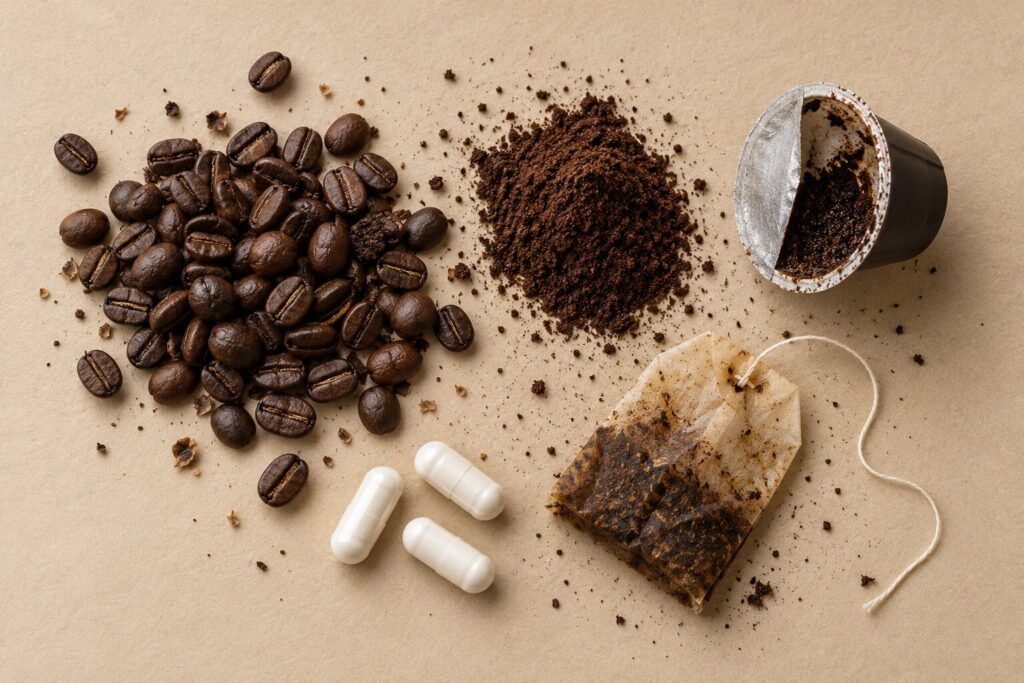
No. Coffee and tea contain caffeine, which is toxic to dogs. A lick from your mug is unlikely to cause real trouble, but the big doses come from the things dogs actually eat: coffee grounds, whole beans, used pods, tea bags and caffeine pills. Any of those is a reason to call your vet.
If Your Dog Has Just Eaten Coffee Or Tea
Call your vet now, or one of the US animal poison lines (both charge a consultation fee):
- ASPCA Animal Poison Control: (888) 426-4435
- Pet Poison Helpline: (855) 764-7661
Have the package handy if you can, along with your dog’s weight and a guess at how much is missing. Caffeine is absorbed quickly and signs can start within 30 to 60 minutes, so the call matters more than waiting to see what happens.
Do not make your dog vomit unless a vet tells you to. Home methods can cause harm of their own, and vomiting is dangerous once a dog is shaking, very agitated or having a seizure. If your dog already has signs, go straight to the nearest emergency vet.
Why Caffeine Is Toxic To Dogs
Caffeine is a methylxanthine, the same family of stimulants as theobromine in chocolate. It overstimulates the nervous system and the heart, and dogs are more sensitive to it than people are. It speeds up the heart, can push it into an abnormal rhythm, raises body temperature and can trigger tremors and seizures.
Signs can also drag on. Caffeine passes into the urine and some of it is absorbed back through the bladder wall, which is one reason signs can last many hours.
How Much Caffeine Is Dangerous?
Veterinary toxicology references put mild signs at around 9 mg of caffeine per pound of body weight (20 mg/kg), serious heart effects at around 18 to 23 mg per pound, and seizures at about 27 mg per pound. Dogs vary, so these are rough guides for your vet, not a safe line to aim under.
Approximate caffeine amounts:
- Brewed coffee: about 95 mg per 8 oz cup
- Espresso: about 63 mg per shot
- Black tea: about 47 mg per 8 oz cup
- Green tea: about 28 mg per 8 oz cup
- Single serve coffee pod: roughly 75 to 150 mg
- Caffeine pills: commonly 200 mg each
So a 10 lb dog could show signs after about 90 mg, roughly one cup of coffee’s worth. That is why grounds and pods matter. The dog is not drinking a diluted cup, it is eating the concentrated source, and used grounds and spent pods still hold caffeine. They also smell very interesting in the trash.
Coffee And Tea, Ranked
| Coffee and tea | Verdict | Why |
|---|---|---|
| Caffeine pills and pre workout powder | Emergency | Very concentrated. One pill can be a serious dose for a small dog |
| Coffee grounds and whole beans, used or fresh | Emergency | Concentrated caffeine. A bag or a full filter can be several cups’ worth |
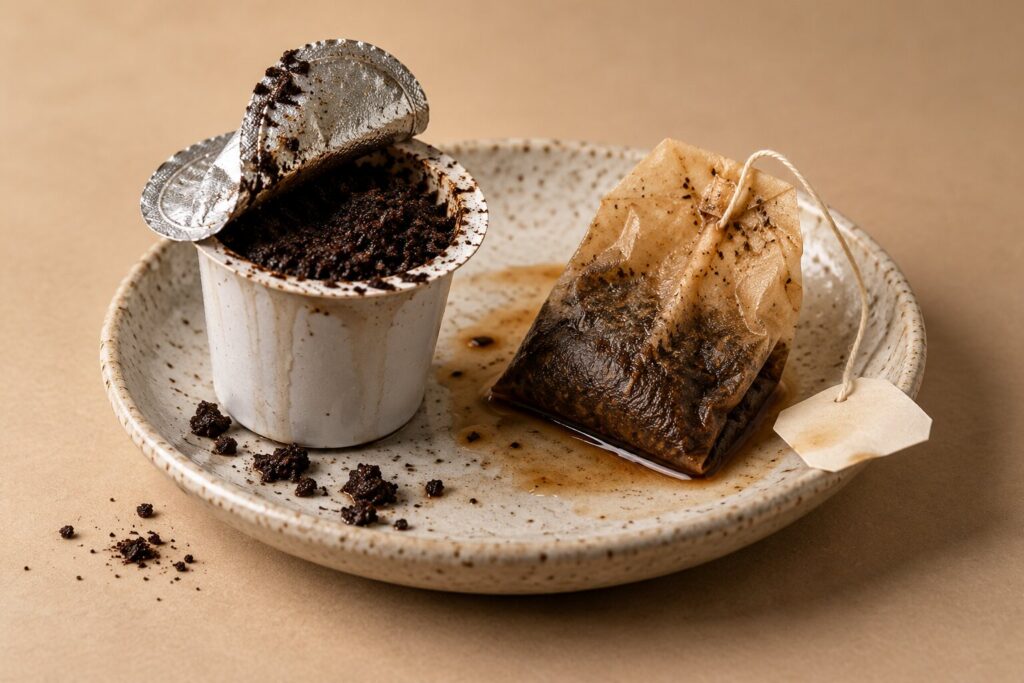
| Coffee pods and tea bags | Emergency | Each holds about a cup’s worth, and dogs chew through several at once. Pods add plastic and foil |
| Chocolate covered espresso beans | Emergency | Caffeine plus theobromine from the chocolate |
| Energy drinks and caffeinated soda | Never | Caffeine and sugar, and some add guarana, another caffeine source |
| Espresso, cold brew and pumpkin spice lattes | Never | Strong coffee plus sugar and dairy fat, and the spice blend includes nutmeg |
| Coffee ice cream, coffee candy, tiramisu | Never | Caffeine plus fat and sugar. Tiramisu can also contain alcohol and cocoa |
| Decaf coffee and tea | Never | Much less caffeine, but not zero, and nothing a dog needs |
| A few laps of brewed coffee or tea | Never, rarely an emergency | A small dose for most dogs. Call if a small dog drank a lot or acts restless |
| Herbal tea | Skip it | Not true tea. Usually caffeine free, but some herbs and blends are not safe for dogs |
Signs Of Caffeine Poisoning
- Restlessness, pacing, hyperactivity
- Vomiting and diarrhea
- Panting and drooling
- A fast or irregular heartbeat
- More thirst and more urination
- High body temperature
- Tremors, wobbling, seizures or collapse
Signs usually begin within 30 to 60 minutes and can last for hours. Severe cases can be fatal, mostly through heart rhythm problems, overheating and seizures.
What The Vet Will Do
There is no antidote, so treatment is about getting caffeine out and keeping the dog stable. If the dog ate it recently and is still calm, the vet may make it vomit and give activated charcoal, sometimes in repeat doses. IV fluids help flush caffeine out, and some dogs get a urinary catheter so caffeine in the bladder is not absorbed back. Medications can slow the heart, settle tremors and stop seizures, with cooling and heart monitoring as needed. Dogs treated promptly usually recover well.
Where Dogs Find It
Most cases start in the kitchen trash: used grounds, spent pods and soggy tea bags. Others come from a bag left open on the counter, or a backpack holding caffeine pills, energy gels or caffeinated gum.

October adds a few more. Chocolate covered espresso beans and coffee flavored candy end up in Halloween bowls, and the pumpkin spice latte sits at nose height on the coffee table. If you use sugar free creamers or syrups, check the label for xylitol too. The fall flavor dogs can actually share is plain canned pumpkin.
Which Dogs Should Skip It
Every dog. These face the most risk from the same amount:
- Small and toy breeds, because the dose per pound climbs fast
- Puppies, who chew anything and weigh little
- Dogs with heart disease or a known heart rhythm problem
- Dogs with epilepsy or a history of seizures
- Older dogs and dogs with kidney or liver disease, who clear drugs more slowly
- Known trash raiders, whose access to used pods and grounds is the real issue
If your dog has mild stomach upset afterward and your vet has cleared it, our guide to easing an upset stomach covers home care.
Coffee And Tea In Dog Food
They do not belong there, and manufacturers know it. Of the 2,675 published US dog foods in our catalog, the number that list coffee, tea or caffeine is 0. The coffee shop “pup cup” is usually just whipped cream with no coffee in it. That is not toxic, but it is fat and sugar, so keep it rare. To see what is in your dog’s actual food, browse our dog food reviews.
Think you know which kitchen foods are safe? Try the Safe or Never food quiz, and for anything else, check the food checker before you share.
In The Kibble reads labels and publishes what the numbers say. Guides are general information, not veterinary advice. Your vet knows your dog's history and we do not, so take anything here to them before you change how you feed.
Found this useful?
Comments
No comments yet. Tried this with your dog? Tell other readers how it went.