
Ingredient file // Fat or oil
Animal Fat
Useful calories, with the animal left unnamed
Animal fat is rendered fat from animal tissue, with no species identified on the ingredient list. It gives kibble concentrated energy and affects its taste. The drawback is that owners cannot tell which animal supplied it.
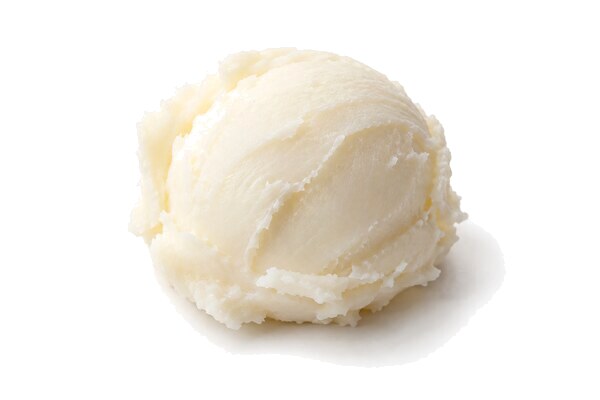
- What it is
- Fat separated from animal tissue during rendering and sold without the source species named on the label.
- Made from
- Animal tissue sent to rendering plants
- Main job
- Concentrated energy and flavor
- Typical amount
- Dog trials used 5 to 6% added fat
- Watch for
- Unspecified species during a food allergy trial
- Not the same as
- Meat and bone meal
Our read // In our catalog
In 1 of every 82 foods we track
Share of foods that list it
1%
31 of the 2,533 foods with an ingredient list on file, from 4 brands. All dry dog food.
Each square is 1% of the catalog
Where it sits on the label
Median position 5. In the top five of 21 foods, so it is usually a main ingredient.
Above the salt
Almost always listed before the salt, so there is more of it than a pinch.
Price per lb
Median of the cheapest bag price across 27 priced foods, 71% below the catalog. The price is the food's, not the ingredient's.
Who leans on it
48%
of the foods that list it are from Pedigree. 4 brands use it in total.
What it is
How it is made
Meat processing leaves fatty tissue and other parts that do not enter the food supply. Renderers heat this material, separate its liquid fat from the solids, and clean the fat for use in feed and pet food.7
- 01 // Source Animal tissues Fatty trimmings and other animal tissues arrive from slaughterhouses and meat cutting plants.
- 02 // Process Heated Cooking melts the fat and drives water from the material.
- 03 // Process Fat separated Presses or centrifuges separate liquid fat from the remaining solids.
- 04 // Output Cleaned animal fat Filtering or settling removes remaining water and solids before the fat goes to a pet food plant.
What is in it
Composition, dry matter
98-100
% crude fat
The rounded published range for tallow. Animal fat supplies energy, while its fatty acid mix depends on the source species.
Why it is in the bag
What the manufacturer gets
-
01
Adds concentrated energy
Separated fat brings calories without the water and protein in animal tissue. Manufacturers use it to raise a recipe's energy level without adding much weight.5,7
-
02
Changes kibble taste
Fat is often sprayed onto dried kibble. Dog preference tests show that its source affects acceptance, though no animal fat wins every comparison.1,2,7
-
03
Uses an existing stream
Rendering gives fatty leftovers from meat processing a use. Supply follows meat production, so manufacturers can buy fat without raising animals for that ingredient alone.7
-
04
Supplies some linoleic acid
Animal fats contain different amounts of this essential fatty acid. Poultry fat supplies substantially more than tallow, so the unnamed ingredient alone cannot tell an owner how much the recipe provides.5,6
How much Controlled dog studies added 5% poultry fat or beef tallow, while another tested a diet containing 6% poultry fat.1,3
Our read // The claims
What the evidence supports
Strong: controlled studies in dogs agree. Some: small or mixed dog data. Thin: mechanism or lab work only. None: nothing, or the evidence points the other way.
-
Brands say
Animal fat supplies concentrated calories
Evidence
- Strong
- Some
- Thin
- None
Tallow measured 97.7 to 100% crude fat on a dry basis. Fat contributes energy rather than protein, and a dog feeding trial used a recipe containing 6% poultry fat. The claim describes its main job accurately.3,5
-
Brands say
Animal fat makes every kibble taste better
Outruns the evidence
Evidence
- Strong
- Some
- Thin
- None
In a 30-dog preference test, food with sunflower oil beat foods with poultry fat or beef tallow. A separate 10-dog palatability test found no significant difference between chicken oil and sunflower oil. Source and recipe matter.1,2
-
Brands say
Animal fat gives dogs a healthier coat
Outruns the evidence
Evidence
- Strong
- Some
- Thin
- None
The fats contain linoleic acid, but the source matters: published dry matter ranges are 9 to 85 g/kg for tallow and 100 to 233 g/kg for poultry fat. These figures do not show a coat benefit from an unnamed fat.5,6
-
Owners say
Animal fat always triggers meat allergies
Outruns the evidence
Evidence
- Strong
- Some
- Thin
- None
Food reactions usually involve protein, while the tallow table lists 0% crude protein. That does not certify every rendered fat free of protein traces. The unknown species makes this label unsuitable for choosing a strict elimination diet.5,8
Straight answers
What owners ask
-
Q01
Is it just filler?
NoIt is nearly all fat, so it supplies substantial energy and changes how kibble tastes. Filler would contribute little. Judge how much fat the whole food contains rather than treating this ingredient name as a verdict.1,5
-
Q02
Which animal does it come from?
Not disclosedThe ingredient name does not identify a species. Rendered animal fats differ in fatty acid makeup, so the label cannot tell you whether this batch resembles tallow, poultry fat, or another source. Ask the manufacturer if the species matters to your dog.5,6,7,8
-
Q03
Is it safe for an allergic dog?
Do not assumeFat itself contains little protein, the usual food allergen. The unnamed source and possible protein traces make an ordinary food labeled animal fat a poor choice for a diagnostic elimination diet. Use a diet selected for that trial.5,8
Who uses it
Brands, best sellers and the company it keeps
Top brands, by foods that list it
Amazon best sellers that list it
- #12 Pedigree Adult Grilled Steak & Vegetable Flavor Dry Dog Food
- #22 Cesar Filet Mignon Flavor & Spring Vegetables Garnish Dry Dog Food
- #41 Pedigree Small Dog Grilled Steak and Vegetable Flavor Dry Dog Food
- #55 Kibbles n Bits Small Breed Mini Bits Savory Beef & Chicken Flavors Dry Dog Food
- #59 Kibbles n Bits Original Savory Beef & Chicken Flavors Dry Dog Food
- #73 Pedigree Puppy Chicken & Vegetable Flavor Dry Dog Food
Rank on Amazon's dog food best seller list, checked October 2026.
Usually listed with, share of the foods that list it
- Soybean Meal 100%
- Natural Flavor 71%
- Meat and Bone Meal 52%
- Chicken By-Product Meal 52%
- Corn Gluten Meal 48%
- Whole Grain Ground Corn 45%
- Wheat Middlings 35%
- Corn Syrup 35%
- Dried Plain Beet Pulp 32%
- Salt 32%
- Propylene Glycol 32%
- Brewers Rice 32%
On the shelf
Foods that list it
31 foods in our reviews list it. Here are some of them.
Show 23 more
Pedigree Adult , Roasted Lamb & Vegetable Dry Dog Food23.9% proteinPedigree Adult , Roasted Chicken & Vegetable Dry Dog Food23.9% proteinPedigree with MarroBites Adult , Grilled Steak and Vegetable Dry Dog Food23.9% proteinPurina One Plus Whole Body Support Chicken Dry Dog Food30.7% proteinKibbles n Bits Bistro Kibbles ‘n Bits : Roasted Beef, Vegetable & Apple Dry Dog Food23.2% proteinCesar Porterhouse Flavor & Spring Vegetables Garnish Dry Dog Food29.5% proteinCesar Rotisserie Chicken Flavor & Spring Vegetables Garnish Dry Dog Food29.5% proteinCesar Filet Mignon Flavor & Spring Vegetables Garnish Dry Dog Food29.5% proteinPurina Alpo Prime Cuts Dry Dog Food20.5% proteinPedigree Tender Bites for Small Dogs Chicken & Steak Flavor Dry Dog Food23.9% proteinPedigree Puppy Grilled Steak & Vegetable Flavor Dry Dog Food30.7% proteinPedigree High Protein Chicken & Turkey Flavor Dry Dog Food30.7% proteinPedigree Healthy Weight Roasted Chicken, & Vegetable Flavor Dry Dog Food23.9% proteinPedigree Big Dogs Roasted Chicken, Rice & Vegetable Dry Dog Food25.0% proteinPedigree Puppy Chicken & Vegetable Flavor Dry Dog Food30.7% proteinPedigree Small Dog Grilled Steak and Vegetable Flavor Dry Dog Food23.9% proteinPedigree Small Dog Roasted Chicken, Rice & Vegetable Flavor Dry Dog Food23.9% proteinPedigree Adult Grilled Steak & Vegetable Flavor Dry Dog Food23.9% proteinPedigree Tender Bites Chicken & Steak Flavor Dry Dog Food23.9% proteinPedigree Adult Roasted Chicken, Rice & Vegetable Flavor Dry Dog Food23.9% proteinPedigree High Protein Beef and Lamb Flavor Dry Dog Food30.7% proteinKibbles n Bits Mini Bits Bacon & Steak Flavor Dry Dog Food25.6% proteinKibbles n Bits Bistro Small Breed Mini Bits Oven Roasted Beef Flavor Dry Dog Food25.6% proteinOur read // On the bag
Check total fat and ask about species
On a bag, animal fat tells you the recipe includes a concentrated calorie source, but leaves its animal source unnamed. Check the guaranteed fat level and the food's calorie statement. If your dog needs a strict allergy trial or a low fat diet, choose the food for that need rather than guessing from this ingredient.
Sources
What we read
Checked September 1, 2026.
- 1 Determination of fat preferences of adult dogs
- 2 Nutritional values of animal or plant based oil in Beagle dogs
- 3 Substitution of Poultry Fat with Black Soldier Fly (Hermetia illucens) Larvae Fat in Dog Diets: Effects on Digestibility, Palatability, Peroxidation of Dry Food, Immunity, Blood Biochemistry, and Faecal Characteristics of Adult Dogs
- 4 Oxidized lipid depresses canine growth, immune function, and bone formation
- 5 Tallow
- 6 Poultry fat
- 7 Animal Fats
- 8 Hydrolyzed Diets
- 9 Cooking Up a Food Allergy: Conducting a Diagnostic Food Trial
- 10 Re-evaluating your dog’s diet