Can Dogs Eat Shrimp?
Yes, cooked, peeled and plain. Raw shrimp, shells and tails, and anything in garlic butter are the problems.
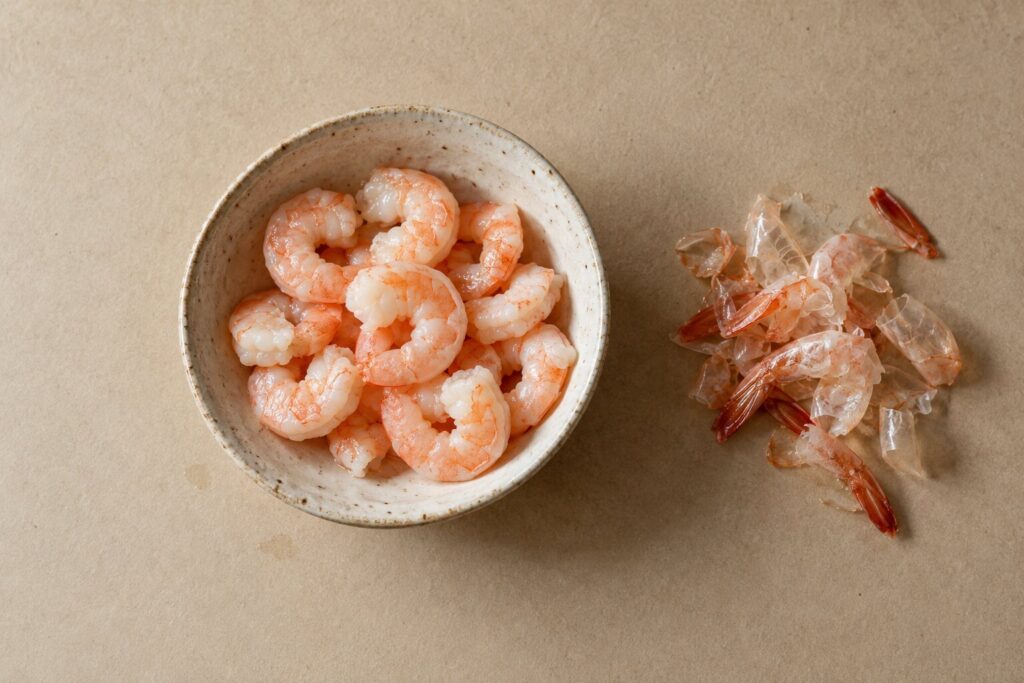
Yes, if it is cooked, peeled and plain. Shrimp is lean, high in protein and low in calories, and most dogs love it. The problems come from everything around the shrimp: the shell, the tail, raw shellfish, and the butter, garlic and salt it is usually cooked with.
The Version That Is Fine
Fully cooked, by steaming, boiling or grilling, with the shell, tail and legs removed and the dark vein along the back pulled out. No butter, oil, salt or seasoning. Let it cool and cut it into pieces that suit the size of your dog.

Cooked shrimp runs about 100 calories and 24g of protein per 100g, with almost no fat. A single large shrimp is only around 7 calories. That makes it one of the better human foods to use as a treat, as long as it stays plain.
Shrimp Prepared Different Ways
| Shrimp | Verdict | Why |
|---|---|---|
| Steamed or boiled, peeled, plain | Fine, in small amounts | Lean protein with nothing added |
| Grilled, plain | Fine | Trim any charred bits and skip the marinade |
| Raw shrimp | Avoid | Can carry bacteria such as Vibrio, Salmonella and Listeria, and parasites |
| Shells, tails and heads | Avoid | Sharp, hard to digest, and a choking and blockage risk in small dogs |
| Fried or breaded (popcorn shrimp, tempura) | Avoid | Fat, salt and batter. A rich load can upset the stomach or trigger pancreatitis |
| Garlic butter shrimp and scampi | Never | Garlic is toxic to dogs, and butter adds a lot of fat |
| Shrimp in sauces (cocktail, curry, pad thai, gumbo) | Avoid | Sauces bring salt, sugar, spice, and often onion or garlic |
| Dried or salted shrimp snacks | Avoid | Very high in salt |
Why Raw Shrimp Is A No
Raw shellfish is one of the more reliable ways to pick up food poisoning bacteria, and that holds for dogs as much as for people. A dog may shrug off a small load, but it can still shed the bacteria in its saliva and stool, which matters in a home with young children or anyone with a weak immune system. Cooking removes the whole question and costs nothing nutritionally. If your dog snatched one raw shrimp off the counter, watch it for a day; vomiting or diarrhea that keeps going is worth a call to your vet.
Shells, Tails And Heads
- Shells are thin but stiff, and pieces can scratch the mouth and throat.
- Tails are the part dogs most often swallow whole. In small dogs a tail can lodge in the throat or, along with other shells, help form a blockage further down.
- Heads are spiky and hard, and there is nothing in them worth the risk.
If your dog ate a plate of shells, do not try to make it vomit. Watch for repeated retching, drooling, a painful belly, refusing food or straining to pass stool over the next couple of days, and call your vet if you see any of them.
The Cholesterol Question
Shrimp is high in cholesterol for its size, close to 200mg per 100g. Dogs handle dietary cholesterol differently from people and do not get blocked arteries the way we do, so for a healthy dog eating a few pieces this is not the concern it would be in a human diet. It is still one more reason to keep shrimp as an occasional treat rather than a daily topper, especially for dogs on a fat restricted or low cholesterol diet for a medical reason.
How Much Shrimp
Treats and extras should stay under 10% of daily calories, so the complete food keeps doing its job. Shrimp is low in calories, so the limit here is more about salt and novelty than weight:
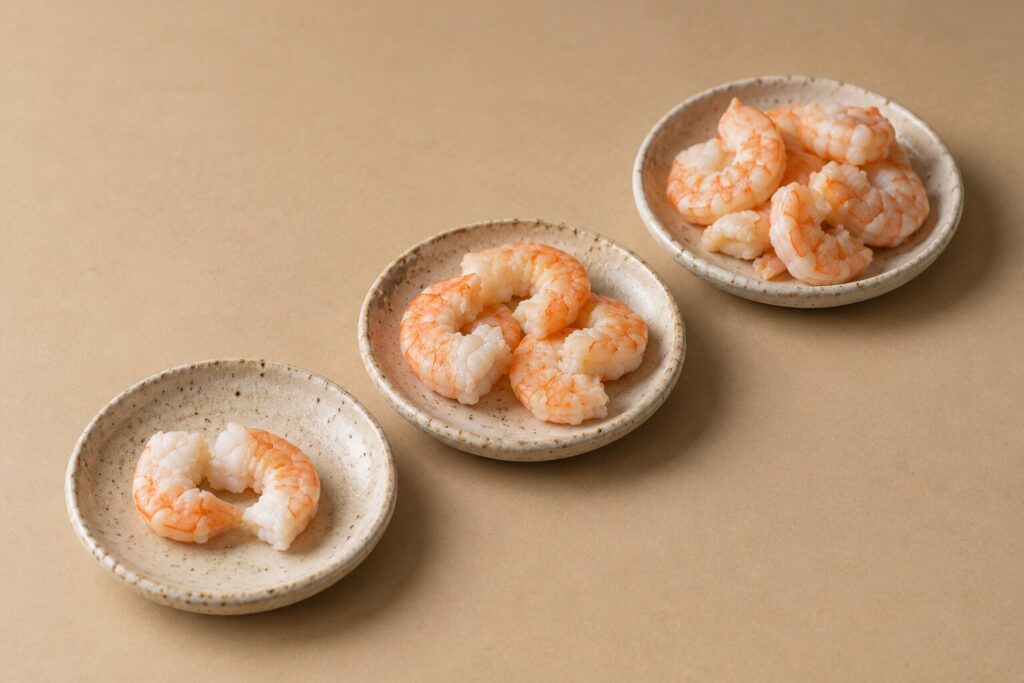
| Dog weight | Sensible portion |
|---|---|
| Under 20 lb | One or two shrimp, cut up |
| 20 to 50 lb | Two to four shrimp |
| Over 50 lb | Up to five or six shrimp |
Start with one piece the first time and give it a day. A few times a week is plenty.
Frozen And Precooked Shrimp
Bags of frozen cooked shrimp are convenient, but many are soaked in a salt solution or treated with sodium tripolyphosphate to keep them plump, which can push the sodium well up. Check the label for added salt, and rinse them before sharing. Raw frozen shrimp still needs to be cooked.
Which Dogs Should Skip It
- Dogs with a shellfish or fish allergy. Seafood allergies are uncommon in dogs but they do happen. Itching, ear trouble or an upset stomach after a new food is the sign to stop.
- Dogs on an elimination diet. Nothing but the trial food, or the trial tells you nothing.
- Dogs on a low sodium diet for heart or kidney reasons, unless the shrimp is fresh and unsalted.
- Dogs with a pancreatitis history, if the shrimp has been anywhere near butter or oil.
Other Seafood
The same rules carry over to most seafood: cooked, plain and boneless is the safe version. If you want a fish treat with more benefit, plain cooked salmon or sardines packed in water bring omega-3 fatty acids that shrimp has little of. Shrimp also shows up as an ingredient in some commercial foods and treats; you can see what it contributes on the shrimp ingredient page.
For a lean protein treat with even less fuss, plain cooked chicken or a bit of scrambled egg does the same job. And if the shrimp came off a plate seasoned with garlic, read the onions and garlic guide.
For any other food question, check the food checker.
In The Kibble reads labels and publishes what the numbers say. Guides are general information, not veterinary advice. Your vet knows your dog's history and we do not, so take anything here to them before you change how you feed.
Found this useful?
Comments
No comments yet. Tried this with your dog? Tell other readers how it went.